
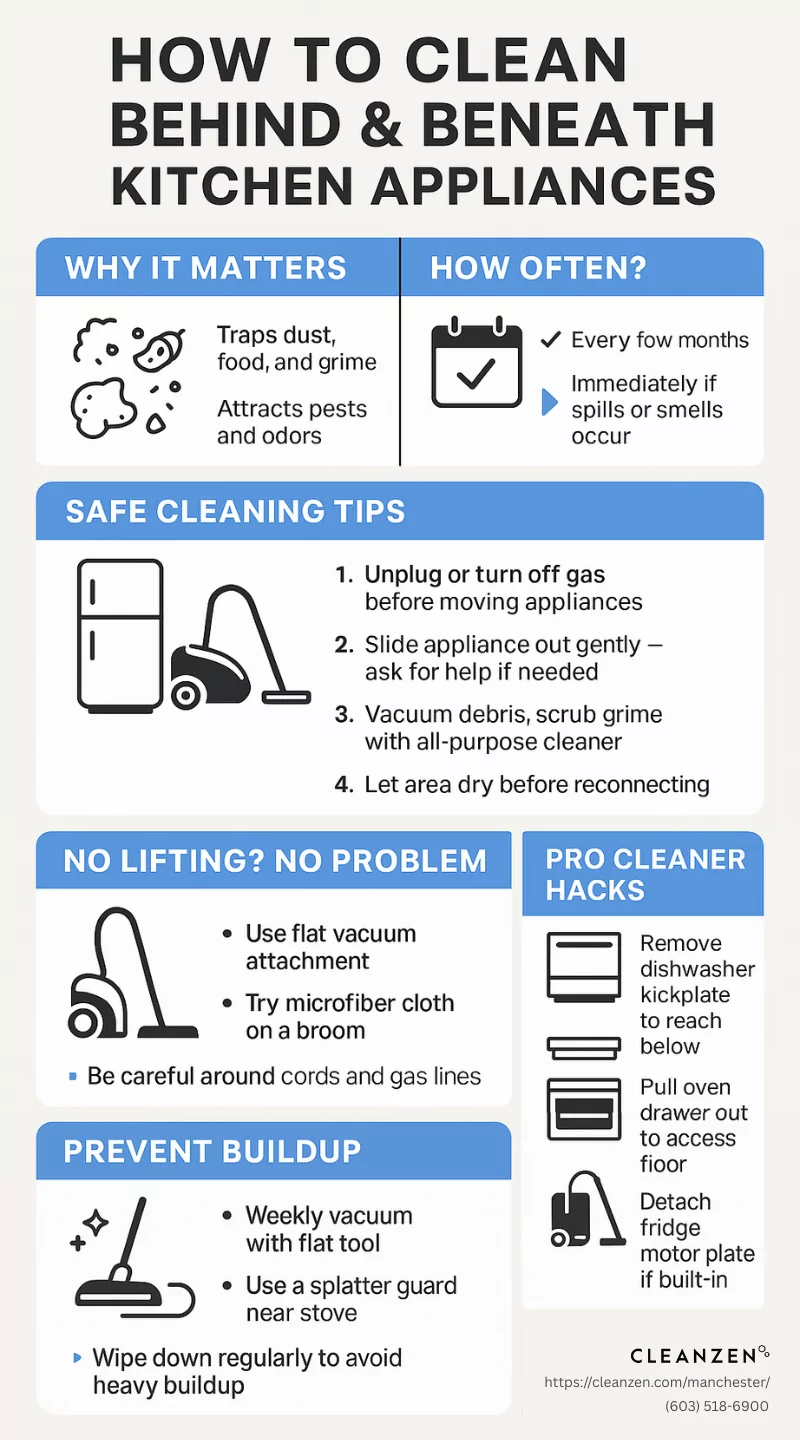
Your kitchen appliances work hard every day, and keeping them clean is essential for their performance and your health. But cleaning them the wrong way can cause damage or even be unsafe.
What if you could learn simple, safe methods to clean your appliances effectively without any hassle? In this guide, you’ll discover easy tips that protect your devices and keep your kitchen sparkling. Ready to make your cleaning routine safer and smarter?
Let’s dive in!

Credit: geauxmaids.com
Preparing For Cleaning
Cleaning kitchen appliances is important for safety and hygiene. Preparing well makes the process easier.
Before you start, gather all needed supplies and follow safety steps. This helps protect you and your appliances.
Gathering Necessary Supplies
Collect all cleaning tools and products before you begin. This saves time and keeps cleaning smooth.
- Soft cloths or sponges
- Mild dish soap
- Warm water
- Non-abrasive scrubbers
- Microfiber towels
- Vinegar or baking soda (optional)
- Small brushes for tight spaces
- Gloves to protect your hands
Safety Precautions
Follow safety rules to avoid accidents and damage. Turn off and unplug appliances before cleaning.
Wear gloves to protect your skin from harsh cleaners. Use gentle cleaning products to keep appliances safe.
- Unplug appliances before cleaning
- Let hot appliances cool down
- Use mild cleaning solutions
- Wear gloves to protect skin
- Avoid water inside electrical parts
- Read appliance manuals for specific instructions
Refrigerator Maintenance
Keeping your refrigerator clean helps it work well and last longer. Dirt and spills can cause bad smells and affect food safety.
Cleaning your fridge regularly protects your food and keeps your kitchen fresh. It also saves energy by improving efficiency.
Interior Cleaning Steps
Start by unplugging the refrigerator to stay safe. Remove all food and shelves before cleaning the inside.
Use a mixture of warm water and mild soap. Wipe all surfaces carefully, including walls and drawers.
- Take out all food and store it in a cool place
- Remove shelves and drawers for separate washing
- Clean inside walls with warm soapy water
- Rinse with a damp cloth to remove soap
- Dry all surfaces with a clean towel
- Put shelves and food back inside
- Plug in the refrigerator again
Exterior Surface Care
Wipe the outside of the fridge with a soft cloth and mild cleaner. Avoid harsh chemicals that can damage the finish.
Clean the door seals gently to keep them flexible and prevent cold air leaks. Check for cracks or dirt build-up.
- Use a soft cloth and warm soapy water for the exterior
- Dry the surface to avoid water spots
- Clean door seals with a damp cloth and mild soap
- Inspect seals for damage and replace if needed
- Keep the top and back free of dust for better airflow
Oven And Stove Care
Keeping your oven and stove clean helps them work better and last longer. Regular care stops build-up and keeps your kitchen safe.
Use safe cleaning methods to protect your appliances. Avoid harsh chemicals and follow simple steps for best results.
Cleaning The Oven Interior
Remove oven racks before cleaning the inside. Use a gentle cleaner or a mixture of baking soda and water to scrub the walls.
Let the cleaner sit for a few minutes to loosen dirt. Wipe the oven with a damp cloth until all residue is gone.
- Turn off the oven and let it cool before cleaning
- Use non-abrasive sponges to avoid damage
- Clean spills soon after they happen to prevent hard stains
- Avoid using oven cleaners with strong fumes in small spaces
Maintaining Stove Burners
Remove burner grates and caps before cleaning. Soak them in warm, soapy water to loosen grease and food.
Wipe the burner base with a soft cloth and mild cleaner. Use a toothpick to clear clogged burner holes carefully.
- Clean burners weekly to keep flames steady
- Dry all parts completely before reassembling
- Avoid harsh scrubbing to protect burner surfaces
- Check burner connections for safety and proper fit
Credit: kitchcrafteds.com
Microwave Cleaning
Keeping your microwave clean is important for safety and taste. Dirt and food spills can cause odors and stains.
Cleaning your microwave often helps it work better and last longer. Use safe methods to avoid damage.
Removing Stubborn Stains
Some stains in the microwave can be hard to remove. Use natural cleaners to protect surfaces and your health.
Steam loosens stains and makes cleaning easier. Avoid harsh scrubbing that can scratch the microwave.
- Place a bowl with water and lemon slices inside.
- Run the microwave for 5 minutes to create steam.
- Let it sit closed for 2 minutes to soften stains.
- Wipe interior with a soft cloth or sponge.
- Use baking soda paste for tough spots, then rinse.
Deodorizing Techniques
Microwaves often keep food smells inside. Removing odors makes cooking more pleasant.
Natural ingredients like vinegar and lemon remove smells safely. Avoid strong chemicals that can linger.
- Heat a bowl with equal parts water and white vinegar for 5 minutes.
- Leave the bowl inside for 10 minutes to absorb odors.
- Wipe the inside with a clean cloth.
- Place a small bowl of baking soda inside overnight to absorb smells.
- Keep the microwave door open for fresh air after cleaning.
Dishwasher Hygiene
Keeping your dishwasher clean is important for safe and effective washing. Dirt and food bits can build up inside the machine. This can cause bad smells and reduce cleaning power.
Regular cleaning helps your dishwasher work well and last longer. It also stops germs from growing inside the appliance.
Filter And Spray Arm Cleaning
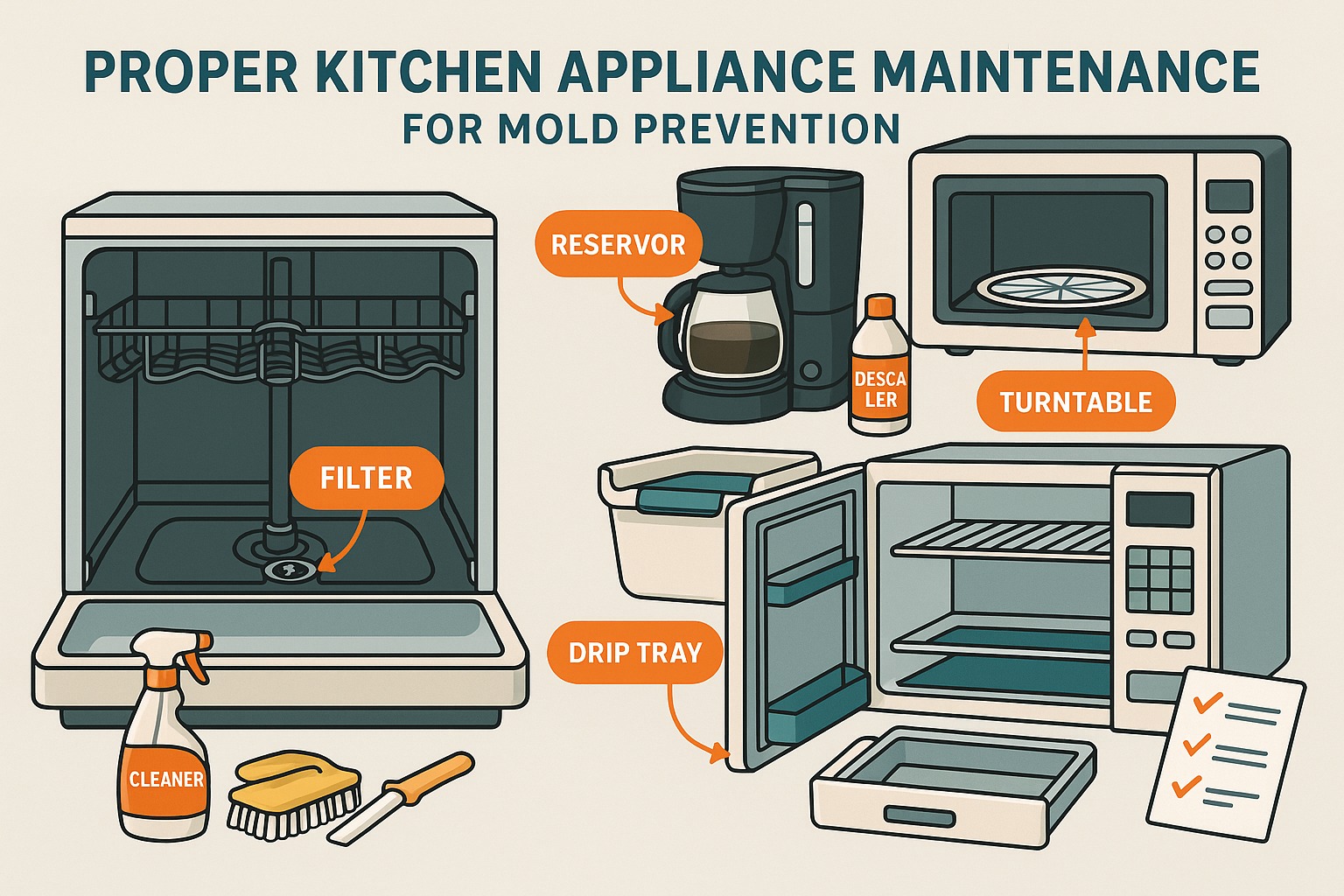
The dishwasher filter traps food scraps to stop them from reattaching to dishes. Clean the filter often to avoid clogs. This keeps water flowing properly.
Spray arms have small holes that spray water. Food and mineral deposits can block these holes. Remove and rinse the spray arms to clear blockages.
- Take out the filter and rinse it with warm water.
- Use a soft brush to remove stuck particles.
- Remove spray arms carefully from the dishwasher.
- Use a toothpick to clear spray arm holes.
- Rinse spray arms under running water before putting them back.
Effective Use Of Cleaning Agents
Use dishwasher cleaners or white vinegar to remove grease and buildup. These agents help keep your machine fresh and clean. Follow the instructions on the product label for best results.
Run an empty cycle with the cleaning agent inside the dishwasher. This cleans pipes, filters, and spray arms. Avoid mixing different cleaners to prevent damage.
- Choose a cleaner made for dishwashers.
- Place vinegar in a cup on the top rack for a vinegar wash.
- Run the dishwasher empty with the cleaner inside.
- Clean the door seals with a damp cloth after the cycle.
- Do this cleaning once a month for best hygiene.
Coffee Maker Care
Cleaning your coffee maker keeps it working well and makes your coffee taste better. Dirt and minerals can build up inside the machine.
Regular cleaning helps your coffee maker last longer and stay safe to use. Follow simple steps to clean it safely.
Descaling Process
Descaling removes mineral deposits that form inside your coffee maker. These deposits can block water flow and affect taste.
Use a descaling solution or mix equal parts water and white vinegar. Run this mixture through the machine to clean the inside parts.
- Fill the water tank with the descaling mixture
- Run a brewing cycle without coffee grounds
- Stop halfway and let it sit for 30 minutes
- Complete the cycle to flush out deposits
- Run 2-3 cycles with clean water to rinse
Daily Maintenance Tips
Daily cleaning keeps your coffee maker fresh and ready. Wipe down the outside and clean removable parts after use.
Empty the used coffee grounds and rinse the filter basket. Dry parts before putting them back to stop mold growth.
- Wipe the machine’s exterior with a damp cloth
- Remove and clean the filter basket daily
- Empty the carafe and rinse it after each use
- Check water tank for buildup or residue
- Leave the machine open to dry after cleaning
Blender And Mixer Cleaning
Keeping your blender and mixer clean helps them work well. Cleaning also stops germs from growing.
It is important to clean all parts carefully. Some parts need different care than others.
Blade And Jug Cleaning
Remove the blade and jug after use. Wash them with warm water and soap to remove food bits.
Use a brush to clean hard-to-reach places around the blades. Be careful to avoid cuts.
- Fill the jug with warm soapy water
- Run the blender for 30 seconds to clean blades
- Rinse all parts with clean water
- Dry completely before reassembling
Motor Base Care
Never put the motor base in water. Use a damp cloth to wipe the outside gently.
Clean any spills or food bits quickly to stop damage. Keep vents free from dust.
- Unplug the appliance before cleaning
- Use a soft, damp cloth for wiping
- Dry the motor base with a dry cloth
- Check the vents and clear dust carefully

Credit: www.youtube.com
Toaster And Toaster Oven Tips
Cleaning your toaster and toaster oven keeps them working well. It also helps your kitchen stay safe and fresh.
Use simple steps to clean these appliances carefully. Avoid water inside electrical parts to prevent damage.
Crumb Tray Cleaning
Remove the crumb tray from your toaster or toaster oven. Shake off crumbs into the trash can.
Wash the tray with warm, soapy water. Dry it completely before putting it back.
- Clean the tray weekly to avoid buildup
- Never use sharp tools to remove crumbs
- Check for stuck crumbs inside the machine
Exterior And Interior Care
Wipe the outside of your toaster with a damp cloth. Use mild soap if needed, then dry it well.
For the inside, unplug the appliance first. Use a soft brush or cloth to clean hard-to-reach areas.
- Do not soak the toaster in water
- Use a toothbrush for corners and crevices
- Clean glass windows with vinegar and water mix
- Keep heating elements free from food bits
Safe Use Of Cleaning Products
Cleaning kitchen appliances is important for hygiene and safety. Using the right cleaning products keeps your kitchen safe.
It is important to use cleaners that do not harm you or your appliances. Always follow safety rules while cleaning.
Choosing Non-toxic Cleaners
Non-toxic cleaners are safer for your health and the environment. They do not contain harsh chemicals that can cause harm.
Look for cleaners made from natural ingredients. These cleaners work well and reduce the risk of skin or lung irritation.
- Choose products labeled “non-toxic” or “biodegradable”
- Avoid cleaners with bleach, ammonia, or strong acids
- Use vinegar, baking soda, or lemon juice for gentle cleaning
- Test new cleaners on a small area first
Proper Storage Of Cleaning Supplies
Keep cleaning supplies out of reach of children and pets. Store them in a cool, dry place to keep them effective.
Label all containers clearly. Never mix different cleaning products as this can cause dangerous reactions.
- Store cleaners in locked cabinets if possible
- Keep original labels and instructions on bottles
- Do not store near food or kitchen utensils
- Check expiration dates and dispose of old products properly
Frequently Asked Questions
How Often Should I Clean Kitchen Appliances?
Clean kitchen appliances weekly to prevent grime buildup. Regular cleaning ensures hygiene and maintains appliance efficiency. Wipe surfaces after each use and deep clean monthly for best results.
What Are Safe Cleaning Agents For Kitchen Appliances?
Use mild dish soap, baking soda, or vinegar for safe cleaning. Avoid harsh chemicals that damage surfaces or leave harmful residues. Always check manufacturer guidelines before applying any cleaner.
Can I Use Water To Clean Electrical Appliances?
Avoid soaking electrical appliances in water. Instead, unplug and wipe with a damp cloth. Use minimal moisture to prevent damage and ensure safety while cleaning.
How Do I Clean Stainless Steel Appliances Without Scratching?
Use a soft microfiber cloth and mild soap for stainless steel. Wipe gently along the grain to avoid scratches. Avoid abrasive scrubbers or harsh chemicals that damage the finish.
Conclusion
Cleaning kitchen appliances safely keeps them working well longer. Use gentle cleaners and soft cloths to avoid damage. Always unplug appliances before cleaning to stay safe. Regular care stops germs and keeps your kitchen fresh. Simple steps make cleaning easier and faster every time.
Keep your appliances shiny and healthy with safe habits. A clean kitchen means a safer, happier home. Small efforts bring big benefits for your daily cooking.