
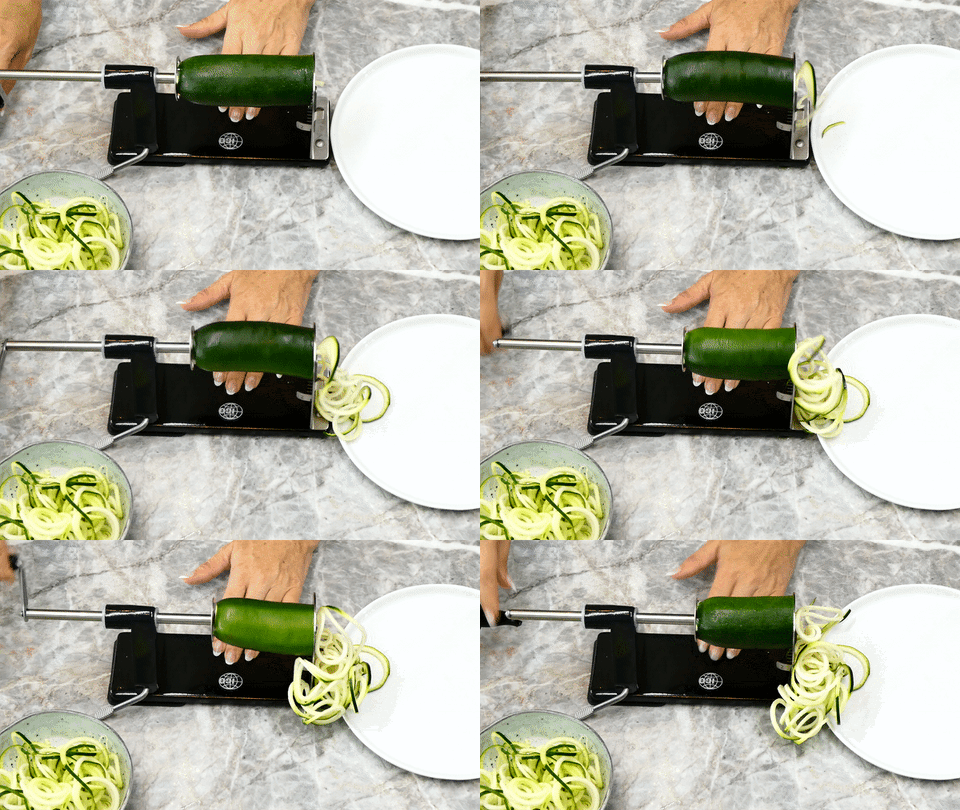
Are you looking for a fun and healthy way to prepare your vegetables? Using a vegetable spiralizer can turn ordinary veggies into exciting, colorful spirals that make your meals more enjoyable and nutritious.
Whether you want to create low-carb noodles or add a fresh twist to your salads, mastering this simple tool will change how you cook. Keep reading, and you’ll discover easy steps to use your spiralizer like a pro, save time in the kitchen, and impress your family with creative dishes.
Ready to transform your veggies? Let’s dive in!
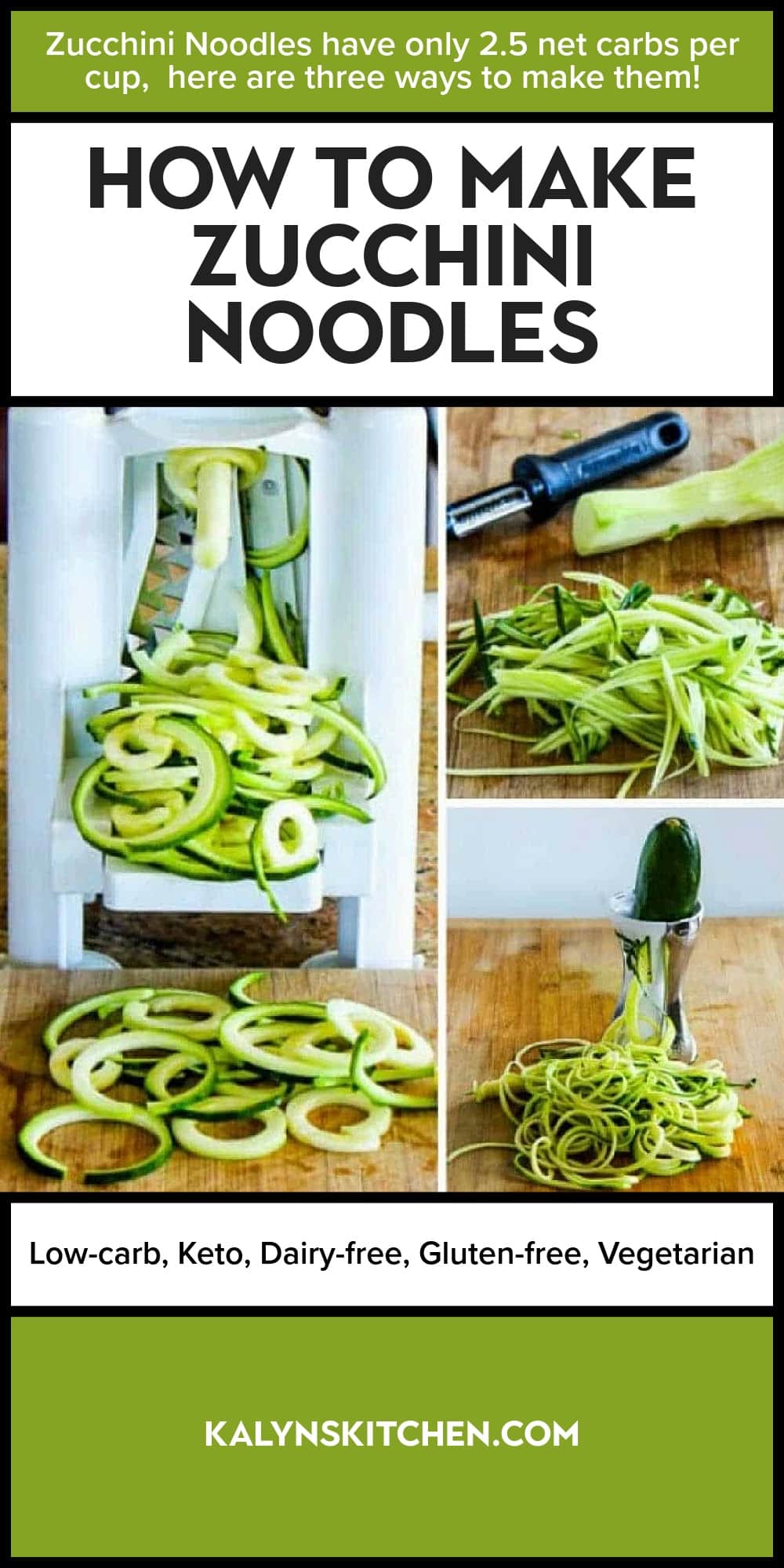
Credit: kalynskitchen.com
Choosing The Right Spiralizer
Using a vegetable spiralizer makes cooking healthy meals easy and fun. Picking the right spiralizer helps you get the best results.
There are different types of spiralizers. Each type has features that suit different needs and kitchens.
Manual Vs. Electric Spiralizers
Manual spiralizers need you to twist vegetables by hand. They are simple and usually cheaper. You control the speed and pressure.
Electric spiralizers work with power. They cut vegetables quickly and with less effort. These are good for large amounts of food.
- Manual spiralizers are easy to clean and store.
- Electric spiralizers save time and energy.
- Manual models are quieter.
- Electric ones can handle harder vegetables better.
Features To Consider
Look for sharp blades that last long. Blades should be easy to change and clean. Check if the spiralizer can make different shapes.
Think about size and weight. A compact spiralizer fits small kitchens. Non-slip bases keep the spiralizer steady while you use it.
- Blade sharpness and variety
- Ease of cleaning and blade removal
- Size and storage space
- Stable, non-slip base
- Ability to spiralize many vegetable types
Preparing Your Vegetables
Using a vegetable spiralizer is a fun way to create healthy meals. Proper preparation of your vegetables makes the process easier and safer.
Taking time to prepare vegetables well helps the spiralizer work smoothly. It also improves the final look and texture of your dishes.
Selecting Fresh Produce
Choose firm and fresh vegetables for the best spiralizing results. Soft or old vegetables may not hold their shape well.
Look for vegetables without bruises or soft spots. Fresh produce gives you crisp, tasty spirals that cook evenly.
- Pick firm zucchini, carrots, or cucumbers
- Avoid vegetables with cracks or mold
- Choose medium-sized vegetables for easy handling
- Thicker vegetables work best for spiralizing
Washing And Peeling Tips
Clean your vegetables well to remove dirt and pesticides. Use cold water and a vegetable brush if needed.
Peeling depends on the vegetable and your recipe. Some skins add texture and nutrients, while others should be removed.
- Rinse vegetables under cold running water
- Scrub firm vegetables with a brush
- Peel carrots and sweet potatoes before spiralizing
- Keep skin on zucchini and cucumbers for color
- Dry vegetables with a clean towel before use
Setting Up The Spiralizer
Using a vegetable spiralizer starts with proper setup. Setting it up right makes your work easier and safer.
This guide shows how to assemble the spiralizer and follow safety rules before using it.
Assembling The Spiralizer
Start by unpacking all the parts from the box. Check if you have the main base, handle, blade, and food holder.
Attach the blade to the main base. Make sure it fits tightly without wobbling. Insert the handle into the base.
- Place the food holder on the opposite side of the blade.
- Secure all parts by pressing or twisting as shown in the manual.
- Ensure the spiralizer stands firmly on a flat surface.
Safety Precautions
Blades on spiralizers are very sharp. Handle them carefully to avoid cuts.
Keep fingers away from the blade when assembling or using the spiralizer. Use the food holder to secure vegetables.
- Always place the spiralizer on a stable surface.
- Do not force the handle if it feels stuck.
- Clean the spiralizer carefully after use to avoid injuries.
- Keep the spiralizer out of reach of children.
Spiralizing Techniques
Using a vegetable spiralizer can add fun shapes to your meals. It turns vegetables into long, curly strands.
Different techniques help you create various noodle styles. You can also work with many types of vegetables.
Creating Different Noodle Styles
You can make thin or thick noodles by changing the blade. The spiralizer usually has several blade options.
Try these styles to change your dish’s look and feel. Each style works well with certain recipes.
- Thin noodles look like spaghetti and cook quickly.
- Thick noodles are good for stir-fries and salads.
- Ribbon cuts give wide, flat strips for lasagna or wraps.
- Curly fries style makes fun shapes for snacks.
Handling Various Vegetables
Different vegetables need different handling. Some are soft and some are hard, affecting how you spiralize.
Follow these tips to get the best results from each vegetable type.
- Firm vegetables like zucchini and carrots work well for long noodles.
- Soft vegetables like cucumbers spiralize easily but can be fragile.
- Root vegetables like sweet potatoes need steady pressure to cut through.
- Trim ends and peel tough skins before spiralizing.
- Cut large vegetables into smaller pieces to fit the spiralizer.
Cooking And Serving Suggestions
A vegetable spiralizer turns veggies into noodle-like shapes. These noodles add fun and nutrition to meals.
You can eat vegetable noodles raw or cooked. They work well in many dishes, from salads to warm meals.
Raw Vs. Cooked Noodles
Raw vegetable noodles keep a crunchy texture and fresh taste. They are great in salads and cold dishes.
Cooked noodles become soft and blend well with sauces. Light cooking keeps nutrients and flavor.
- Raw noodles are perfect for crunchy salads and wraps.
- Lightly sauté or steam cooked noodles for pasta dishes.
- Boil cooked noodles briefly to avoid mushiness.
- Use cooked noodles in soups and stir-fries.
Flavor Pairing Ideas
Vegetable noodles pair well with many flavors. Try different sauces and herbs to match your taste.
Use dressings and spices that enhance the natural veggie flavors without overpowering them.
- Tomato sauce and basil for zucchini noodles
- Peanut sauce and cilantro for carrot noodles
- Lemon juice and garlic for cucumber noodles
- Soy sauce and ginger for sweet potato noodles
- Pesto and cherry tomatoes for beet noodles

Credit: www.theitaliandishblog.com
Cleaning And Maintenance
Keeping your vegetable spiralizer clean helps it work well. Regular cleaning stops food build-up and rust.
Good care also makes your spiralizer last longer and keeps it safe to use.
Proper Cleaning Methods
Disassemble the spiralizer before cleaning. Remove all blades and parts carefully.
Wash each part with warm water and mild soap. Use a small brush to clean hard-to-reach places.
- Rinse all parts well after washing
- Dry each piece fully with a clean towel
- Do not soak metal parts to avoid rust
- Use a soft cloth to avoid blade damage
Storage Tips
Store your spiralizer in a dry place away from moisture. Keep blades covered to stay sharp.
Place all parts together in a box or container. This prevents losing small pieces and keeps it clean.
- Use a blade guard or wrap blades in cloth
- Keep parts in a drawer or cupboard
- Check for rust or dirt before next use
- Store out of reach of children for safety
Troubleshooting Common Issues
Using a vegetable spiralizer can be simple, but sometimes problems arise. Knowing how to fix common issues helps you get better results.
This guide covers ways to avoid jammed blades and fix uneven cuts. These tips make spiralizing easier and faster.
Avoiding Jammed Blades
Blades can jam if the vegetable is too hard or thick. This stops the spiralizer from working smoothly.
To avoid jammed blades, cut vegetables into smaller pieces. Use firm but fresh produce for best results.
- Trim ends of vegetables before spiralizing
- Do not force the vegetable through the blade
- Clean blades after each use to remove stuck bits
- Use even pressure while turning the handle
Dealing With Uneven Cuts
Uneven cuts can happen if the vegetable is soft or uneven in shape. This creates strands that are different sizes.
Choose vegetables that are firm and straight. Hold them steady and keep your pressure consistent.
- Select vegetables without bumps or curves
- Press evenly as you turn the spiralizer handle
- Replace dull blades to get cleaner cuts
- Cut very soft vegetables into smaller pieces before spiralizing

Credit: www.youtube.com
Frequently Asked Questions
What Vegetables Work Best With A Spiralizer?
Zucchini, carrots, cucumbers, and sweet potatoes work best. They are firm and easy to spiralize without breaking. Softer vegetables may not hold shape well. Experiment with different veggies for varied textures and flavors.
How Do You Clean A Vegetable Spiralizer?
Disassemble the spiralizer first. Rinse parts immediately after use to avoid residue buildup. Use a brush to clean blades safely. Most parts are dishwasher safe, but check the manual. Proper cleaning ensures longevity and hygiene.
Can A Spiralizer Replace Pasta In Meals?
Yes, spiralized vegetables make healthy pasta alternatives. They are low-carb, gluten-free, and nutritious. Use zucchini noodles as a popular substitute. Cook lightly or eat raw for texture. Spiralized veggies add variety and nutrients to meals.
How To Prevent Spiralized Vegetables From Getting Soggy?
Drain excess water from spiralized vegetables using a paper towel. Salt them lightly and let sit for 10 minutes, then pat dry. Avoid overcooking to maintain firmness. These steps keep your veggie noodles fresh and crunchy.
Conclusion
Using a vegetable spiralizer makes cooking fun and healthy. It turns simple veggies into tasty noodles quickly. Clean the tool after use to keep it working well. Try different vegetables to find your favorite spirals. Serve your spirals with sauces or in salads.
This tool helps add variety to your meals. Enjoy fresh, colorful dishes every day with ease. Keep practicing to get better at spiralizing. Eating healthy can be simple and enjoyable. Give your meals a fresh, creative touch today.