

If you love cheese, you know how important a good cheese slicer is in your kitchen. But did you know that keeping your cheese slicer in top shape can make your slicing easier and your cheese tastier?
You might be missing out on smoother cuts and longer-lasting tools if you don’t care for it properly. You’ll discover simple, effective tips to maintain your cheese slicer so it always works like new. Ready to make every slice perfect?
Let’s dive in!
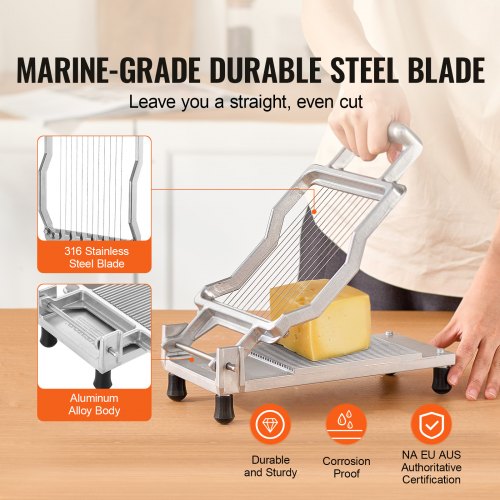
Credit: www.vevor.ca
Choosing The Right Cheese Slicer
Picking the right cheese slicer makes cutting cheese easier and safer. Different types of slicers work best for different cheeses.
Consider the size, material, and style of the slicer before buying. These factors affect how well the slicer works and lasts.
Types Of Cheese Slicers
Cheese slicers come in several types. Each type suits different cheese textures and cutting styles.
- Wire slicers: Best for soft and semi-soft cheeses.
- Plane slicers: Good for firm and hard cheeses.
- Guillotine slicers: Useful for thick and even slices.
Material Of The Slicer
Choose a cheese slicer made of strong and rust-resistant materials. This helps the slicer last longer and stay sharp.
Common materials include stainless steel and plastic. Stainless steel is durable and easy to clean.
Handle Comfort And Design
Pick a cheese slicer with a comfortable handle. This makes slicing easier and reduces hand strain.
Look for non-slip grips or ergonomic shapes. These features improve control and safety while cutting.
Size And Thickness Control
Choose a slicer that lets you control the slice thickness. This helps you cut cheese slices just the way you want.
Some slicers have adjustable guides or settings. These tools make slicing consistent and precise.
Regular Cleaning Techniques
Keeping your cheese slicer clean helps it work well and last longer. Dirt and cheese bits can build up and affect its performance.
Regular cleaning removes food particles and prevents rust. Use simple steps to keep your slicer safe and sharp.
Daily Cleaning Routine
Clean your cheese slicer right after each use. This stops cheese from hardening and sticking to the blade.
Use warm water and mild soap. Rinse well and dry with a clean towel to avoid water spots.
- Rinse slicer under warm water
- Use soft cloth or sponge with mild soap
- Wipe all surfaces, especially the blade
- Rinse off soap completely
- Dry slicer fully with a clean towel
Deep Cleaning Steps
Deep cleaning removes hidden food residues and bacteria. Do this once a week or after heavy use.
Disassemble slicer parts if possible. Soak them in warm soapy water to loosen grime.
- Take apart the slicer carefully
- Soak parts in warm water with dish soap for 10 minutes
- Use a soft brush to clean tight spots
- Rinse all parts thoroughly
- Dry each part completely before reassembling
Blade Maintenance
Keeping your cheese slicer blade in good condition helps you cut cheese cleanly. Regular care makes slicing easier and safer.
Blade maintenance includes sharpening and replacing the blade. Both keep your slicer working well for a long time.
Sharpening The Blade
A sharp blade cuts cheese smoothly without crushing it. You should sharpen the blade when it feels dull or uneven.
Use a fine sharpening stone or a small file for best results. Hold the blade carefully and move it gently along the sharpener.
- Clean the blade before sharpening
- Use even strokes along the edge
- Check sharpness by slicing a soft cheese
- Sharpen regularly to avoid damage
Replacing The Blade
Replace the blade if it is broken or too dull to sharpen. A new blade keeps slicing easy and safe.
Make sure to buy the correct blade model for your slicer. Follow the instructions to remove the old blade and install the new one.
- Turn off and clean the slicer before replacing
- Use gloves to avoid cuts
- Secure the new blade firmly
- Test the slicer with a soft cheese after replacing
Preventing Rust And Corrosion
Rust and corrosion can damage your cheese slicer over time. Keeping it clean and dry helps prevent these problems.
Using good care methods makes your slicer last longer and work better.
Proper Storage Practices
Store your cheese slicer in a dry place to avoid moisture. Moisture causes rust and weakens metal parts.
Keep the slicer separate from other kitchen tools to stop scratches and damage.
- Wipe the slicer dry before storing
- Use a protective case or cloth cover
- Store in a drawer or cabinet away from humidity
- Avoid placing it near the sink or dishwasher
Using Protective Oils
Applying a thin layer of protective oil can stop rust from forming. Use food-safe oils like mineral oil.
Oil keeps moisture away and protects the metal surface of your slicer.
- Clean the slicer before applying oil
- Use a soft cloth to spread the oil evenly
- Remove extra oil with a dry cloth
- Apply oil regularly, especially after washing
Handling Different Cheese Types
Using a cheese slicer correctly depends on the cheese type. Soft and hard cheeses need different care. This helps keep the slicer sharp and clean.
Knowing how to handle each cheese type makes slicing easier. It also prevents damage to the cheese and the slicer.
Soft Cheese Care
Soft cheeses are sticky and can clog the slicer. Clean the slicer often to stop cheese buildup. Use gentle pressure to avoid squashing the cheese.
Try cooling soft cheese before slicing. Cold cheese is firmer and easier to cut. Use a slicer with a thin wire for better results.
- Clean slicer after each use
- Cool cheese for firmer texture
- Use light pressure while slicing
- Choose thin wire slicers
Hard Cheese Considerations
Hard cheeses need more force to slice. Use a strong, sharp slicer to cut without breaking the wire. Slice slowly to keep even pieces.
Clean hard cheese crumbs from the slicer after use. Check the wire often for wear and replace if needed. Store the slicer in a dry place to avoid rust.
- Apply steady, firm pressure
- Use sharp, strong slicer wire
- Clean crumbs after each use
- Replace wire when worn out
- Store slicer dry and safe
Credit: www.kimecopak.ca
Troubleshooting Common Issues
Cheese slicers can develop small problems that affect their use. Fixing these issues helps you get perfect slices every time.
This guide covers simple ways to solve common slicer troubles. You will learn how to fix uneven slices and stopping sticking problems.
Fixing Uneven Slices
Uneven slices happen if the blade is dull or the slicer is not steady. Make sure the slicer is on a flat surface before use.
Check the blade for any damage or wear. A sharp blade cuts cheese evenly and smoothly.
- Sharpen or replace a dull blade
- Hold the slicer firmly and steady
- Use smooth, steady pressure when slicing
- Clean the slicer after every use to remove cheese bits
Addressing Sticking Problems
Cheese sticks to the slicer if the blade is dirty or wet. Clean the blade well before and after use to stop cheese from sticking.
Applying a little cooking spray or rubbing a small amount of oil on the blade can help cheese slide off easier.
- Wash and dry the blade thoroughly
- Lightly oil the blade if cheese sticks often
- Avoid using too much force which can cause sticking
- Use a clean cloth to wipe off cheese bits quickly
Long-term Storage Tips
Keeping your cheese slicer in good shape needs proper storage. Long-term storage helps stop damage and wear.
Follow simple steps to keep your slicer clean and ready for use anytime.
Clean Thoroughly Before Storing
Remove all cheese bits from the slicer after use. Wash it with warm, soapy water to clear grease and residue.
Dry it fully using a soft cloth. Moisture can cause rust or mold over time.
Use Protective Covers
Cover your cheese slicer with a cloth or plastic cover. This stops dust and dirt from settling on the blade.
Protective covers also lower the risk of accidental cuts or damage to the blade.
Store In A Dry Place
Keep the slicer in a dry cabinet or drawer. Avoid spots with high humidity or direct sunlight.
Dry air helps stop metal parts from rusting and plastic parts from warping.
Disassemble If Possible
If your cheese slicer can be taken apart, remove the blade and handle. This makes cleaning easier and storage safer.
Store parts separately in labeled containers to avoid losing any pieces.
Check Regularly For Damage
Look at your slicer often during storage. Check for rust, cracks, or dull blades.
Fix small problems early to keep your slicer working well for a long time.

Credit: www.kimecopak.ca
Frequently Asked Questions
How Often Should I Clean My Cheese Slicer?
Clean your cheese slicer after every use to prevent cheese residue buildup. Use warm, soapy water and a soft cloth for best results.
What Is The Best Way To Sharpen A Cheese Slicer?
Use a fine sharpening stone or a specialized slicer sharpener. Sharpen gently to maintain the blade’s precision and avoid damage.
Can I Put My Cheese Slicer In The Dishwasher?
Most cheese slicers are hand-wash only to preserve the blade and handle quality. Check manufacturer instructions before using a dishwasher.
How Do I Prevent Rust On My Cheese Slicer?
Dry the slicer thoroughly after washing and store it in a dry place. Applying a light coat of food-safe oil can also help prevent rust.
Conclusion
Keeping your cheese slicer clean and sharp helps it last longer. Regular care prevents rust and keeps slices even. Store it in a dry place to avoid damage. Always handle the slicer gently to protect its blade. Small efforts make a big difference in performance.
Enjoy smooth, perfect cheese slices every time you use it. Simple steps keep your kitchen tools working well. Maintain your slicer for fresh, tasty cheese moments.