
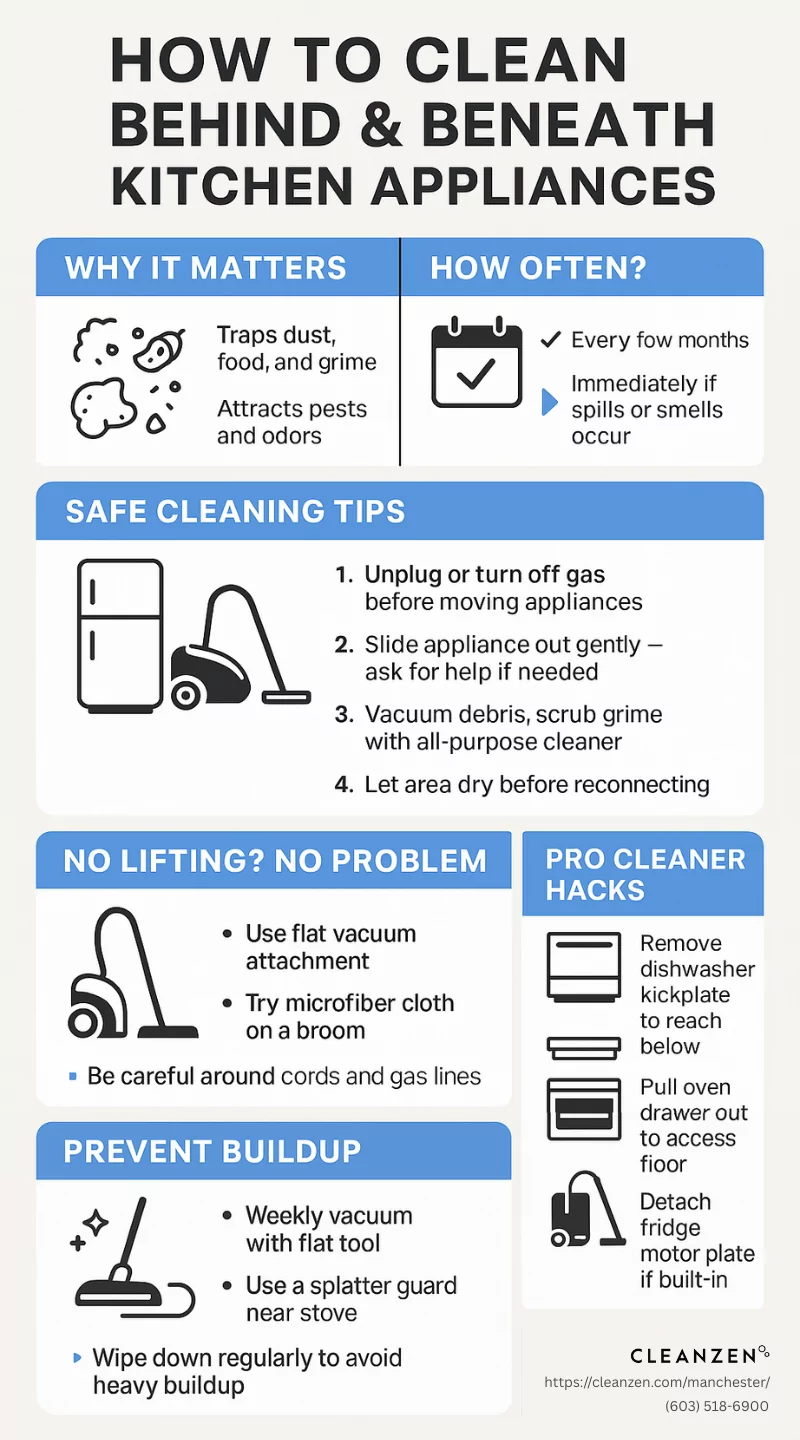
Your kitchen appliances work hard every day, so keeping them clean is key to making them last longer and perform better. Imagine the ease of cooking when your oven, fridge, and microwave are spotless and fresh.
You’ll discover simple, practical tips that save you time and effort while keeping your appliances in top shape. Ready to make your kitchen a cleaner, healthier space? Keep reading—your appliances will thank you!
Essential Cleaning Supplies
Keeping kitchen appliances clean helps them work well and last longer. Using the right cleaning supplies makes this task easier. This guide covers the essential tools you need for a clean kitchen.
Different appliances need different cleaning products. Choosing safe and effective supplies protects your appliances and your health. Let’s explore the must-have items for your cleaning kit.
All-purpose Cleaner
An all-purpose cleaner removes dirt and grease from many surfaces. It works well on microwaves, refrigerators, and countertops. Look for a cleaner that is non-toxic and safe for food areas.
Microfiber Cloths
Microfiber cloths trap dust and grime without scratching surfaces. They are reusable and easy to wash. Using these cloths reduces the need for paper towels and cleans appliances gently.
Baking Soda And Vinegar
Baking soda and vinegar are natural cleaners that remove stains and odors. Use baking soda to scrub ovens and sinks. Vinegar helps dissolve mineral deposits in kettles and coffee makers.
Scrub Brushes And Sponges
Scrub brushes and sponges help clean hard-to-reach spots on appliances. Choose soft sponges for delicate surfaces and stiff brushes for tough grime. Replace sponges often to keep them clean.
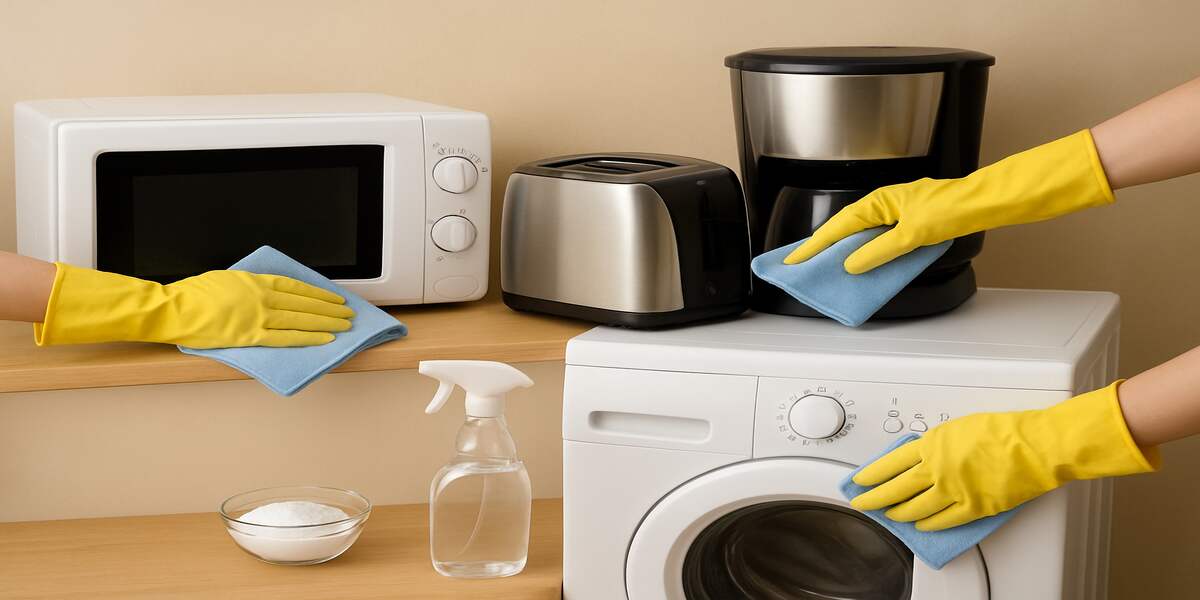
Gloves And Protective Gear
Wear gloves to protect your hands from chemicals and hot water. Gloves also keep your skin dry and safe. Use protective gear like aprons if you clean often or with strong cleaners.
- All-purpose cleaner for general cleaning
- Microfiber cloths for gentle wiping
- Baking soda and vinegar for natural scrubbing
- Scrub brushes and sponges for tough spots
- Gloves to protect your skin
Credit: kitchcrafteds.com
Refrigerator Care
Keeping your refrigerator clean helps it work well and keeps food fresh.
Regular care stops bad smells and avoids breakdowns in your kitchen appliance.
Deodorizing Techniques
Bad odors can build up inside your fridge. Removing them keeps your food tasting good.
- Place an open box of baking soda on a shelf. It absorbs odors well.
- Use a bowl of coffee grounds to freshen the air inside the fridge.
- Clean spills quickly to stop smells from spreading.
- Wipe shelves and walls with a mix of water and white vinegar every month.
- Keep fruits and vegetables in sealed containers to reduce odors.
Coil Cleaning
Cleaning the coils helps your refrigerator run efficiently and saves energy.
| Tool | Cleaning Method | Frequency |
| Vacuum Cleaner | Use brush attachment to remove dust and dirt | Every 3 months |
| Soft Brush | Gently brush coils to clear debris | Every 3 months |
| Cloth | Wipe coils carefully if needed | Every 6 months |
Oven And Stove Maintenance
Keeping your oven and stove clean helps them work well. Dirt and grease can cause bad smells and damage.
Regular cleaning also keeps your kitchen safe from fire risks and makes cooking more enjoyable.
Burner Cleaning
Cleaning burners stops food buildup and helps flames burn evenly. Remove burner grates and caps carefully.
- Soak burners in warm, soapy water for 15 minutes.
- Use a soft brush to clean holes and remove debris.
- Rinse with clean water and dry fully before reinstalling.
- Check for clogs often to keep burners working well.
Self-cleaning Functions
Many ovens have self-cleaning cycles that burn off grime using high heat. Use this feature safely.
| Tip | Details |
| Remove racks | Take out racks before cleaning to protect them. |
| Ventilate kitchen | Open windows to clear smoke and odors. |
| Use correct settings | Follow manufacturer instructions to avoid damage. |
| Cool down | Wait until oven cools before wiping ash residue. |
Microwave Freshness
Keeping your microwave clean helps it work better and last longer. A fresh microwave stops smells and food stains from building up.
Simple cleaning methods can keep your microwave fresh every day. Use easy tips to remove stains and odors safely.
Steam Cleaning Method
Steam cleaning softens food spills and grease inside the microwave. This method is quick and uses natural ingredients.
- Fill a microwave-safe bowl with water.
- Add a few slices of lemon or a tablespoon of vinegar.
- Heat the bowl in the microwave for 5 minutes.
- Let the steam sit inside for 2 more minutes.
- Carefully remove the bowl and wipe the inside with a clean cloth.
Odor Removal Tips
Bad smells in the microwave come from old food and spills. Removing odors keeps your food tasting fresh.
| Item | How It Removes Odor |
| Baking Soda | Absorbs smells when left inside for hours |
| Lemon Juice | Neutralizes odors with a fresh scent |
| White Vinegar | Kills bacteria causing bad smells |
| Coffee Grounds | Absorb and mask strong odors |
Dishwasher Efficiency
Keeping your dishwasher clean helps it work better. A clean dishwasher saves water and electricity.
Regular care prevents problems and extends the life of your appliance.
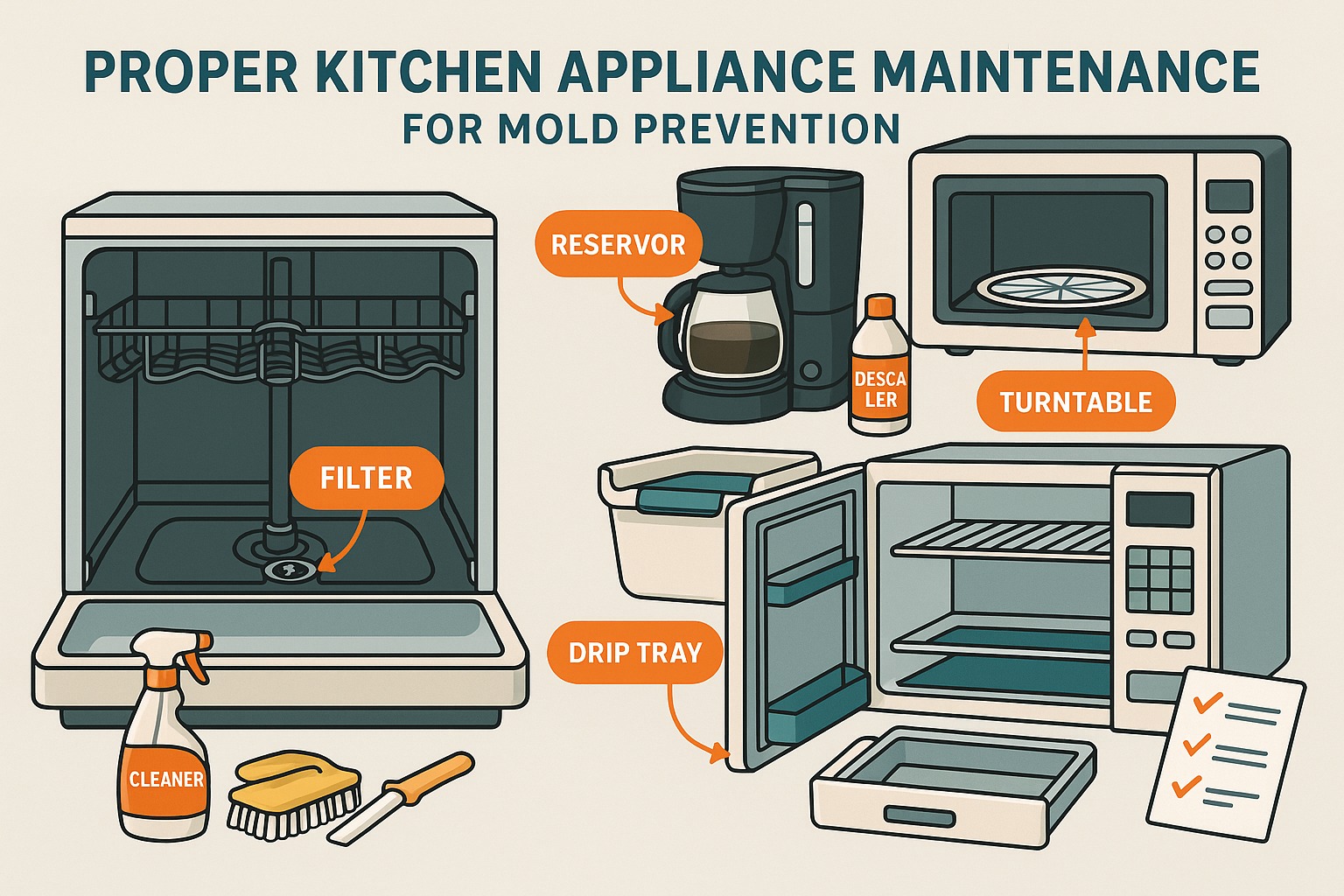
Filter Cleaning
Clean the dishwasher filter often. It catches food bits and stops them from blocking pipes.
- Remove the filter from the bottom of the dishwasher.
- Rinse it under warm water to clear debris.
- Use a soft brush to scrub stuck particles.
- Put the filter back carefully after cleaning.
Lime Scale Prevention
Lime scale builds up from hard water and reduces dishwasher efficiency. It blocks spray arms and heating parts.
| Method | Description |
| Use Vinegar | Run an empty cycle with a cup of vinegar to dissolve lime scale. |
| Use Dishwasher Salt | Add salt if your model has a softener to prevent scale. |
| Regular Cleaning | Clean spray arms and other parts monthly to avoid buildup. |
Coffee Maker Care
Keeping your coffee maker clean helps it work well and last longer. Dirt and minerals can build up inside and affect taste.
Regular care stops problems and makes your coffee taste fresh every time.
Descaling Process
Descaling removes mineral deposits from inside the coffee maker. These build up from water and cause clogs.
Use a descaling solution or a mix of vinegar and water to clean the machine safely.
- Fill the water tank with descaling solution or 1 part vinegar and 2 parts water
- Run a brewing cycle without coffee grounds
- Pause halfway and let the solution sit for 30 minutes
- Complete the brewing cycle
- Rinse by running 2-3 cycles with clean water
Monthly Maintenance
Clean your coffee maker every month to keep it fresh and working well. Wipe the outside and clean removable parts.
Check the water filter and replace it if needed. Clean the brew basket and carafe with warm soapy water.
- Wipe the exterior with a damp cloth
- Remove and wash the brew basket and carafe
- Clean the water reservoir with warm water
- Replace the water filter if your model uses one
- Dry all parts before reassembling
Small Appliance Attention
Keeping small kitchen appliances clean helps them work better and last longer. Dirt and crumbs can build up inside and outside these tools.
Simple cleaning steps protect your appliances and keep your kitchen healthy. Regular care stops germs and bad smells.
Toaster Crumb Removal
Crumbs gather inside toasters and can burn or cause smoke. Empty the crumb tray often to avoid this problem.
Unplug the toaster before cleaning. Shake it gently over a trash bin to drop crumbs. Wipe the tray with a damp cloth.
- Unplug the toaster first
- Remove and empty the crumb tray
- Shake toaster gently to release crumbs
- Wipe inside with a soft cloth
- Clean the outside with a damp cloth
Blender Blade Care
Blender blades can get sticky or dull from food build-up. Clean blades after each use to keep them sharp and safe.
Remove the blade assembly carefully. Wash it with warm soapy water and a brush. Dry completely before reassembling to stop rust.
- Unplug the blender
- Take out the blade assembly
- Use warm water and dish soap
- Scrub blades gently with a brush
- Rinse and dry blades fully
Credit: bondcleaninggreenslopes.com.au
Eco-friendly Cleaning Solutions
Keeping kitchen appliances clean is important for health and efficiency. Using eco-friendly cleaning solutions protects the environment and your family.
These natural cleaners are safe, affordable, and easy to make at home. They reduce chemical waste and keep your kitchen fresh.
Use Vinegar For Degreasing
White vinegar is great for removing grease and stains on appliances. It breaks down dirt without harsh chemicals.
Mix equal parts water and vinegar in a spray bottle. Spray on surfaces and wipe clean with a cloth.
- Works well on oven doors and stovetops
- Safe for stainless steel and glass
- Leaves no harmful residue
Baking Soda For Scrubbing
Baking soda is a mild abrasive that cleans without scratching. It removes odors and tough stains.
Make a paste with baking soda and water. Apply it to dirty areas, then scrub gently and rinse.
- Good for cleaning inside microwaves and refrigerators
- Neutralizes smells in coffee makers
- Non-toxic and safe for kids and pets
Lemon Juice For Freshness
Lemon juice has natural antibacterial properties and a fresh scent. It helps cut grease and grime.
Use lemon juice alone or mix with baking soda to scrub surfaces. Rinse with water for a clean shine.
- Brightens stainless steel appliances
- Removes water spots and stains
- Leaves a natural citrus fragrance
Castile Soap For Gentle Cleaning
Castile soap is made from vegetable oils and is biodegradable. It cleans without harmful chemicals.
Dilute castile soap with water for a gentle cleaning solution. Use it on all kitchen appliances safely.
- Effective on greasy surfaces
- Safe for dishwashers and coffee machines
- Environmentally friendly and cruelty-free
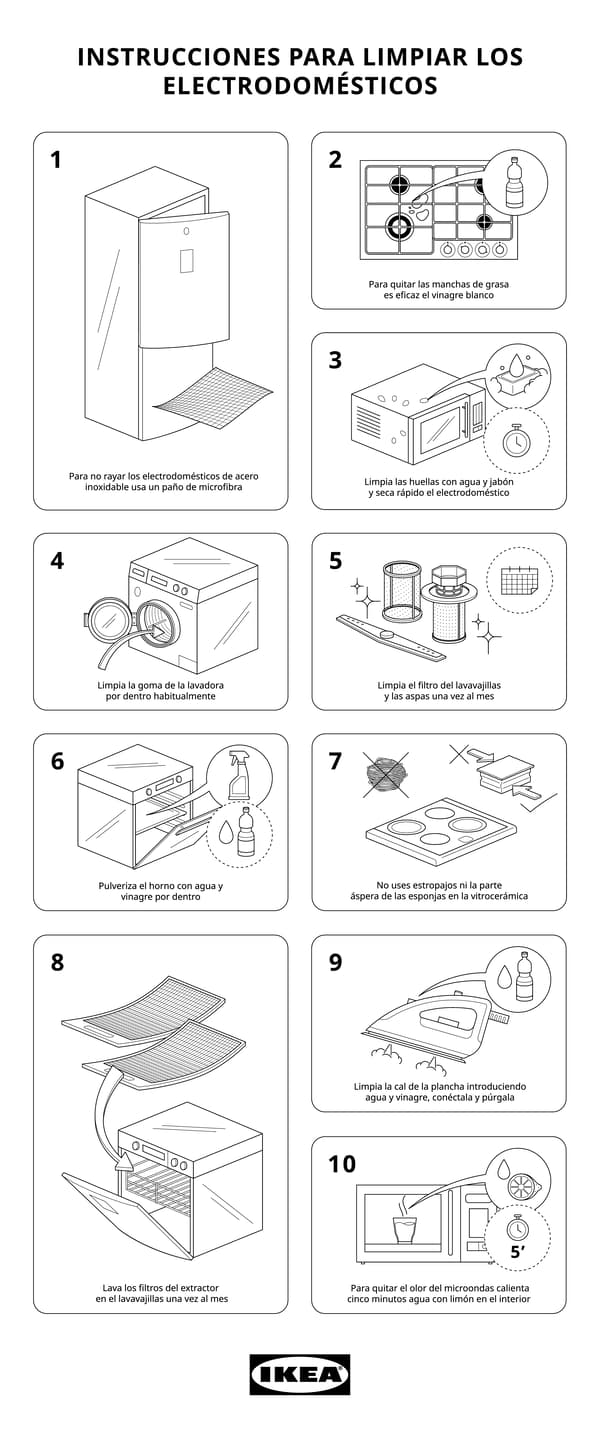
Regular Maintenance Schedule
Keeping kitchen appliances clean helps them work better and last longer. Setting a regular maintenance schedule makes cleaning easier. It also prevents buildup that can cause damage.
Follow simple routines for each appliance. This keeps your kitchen safe and fresh. Regular care saves time and money over time.
Daily Cleaning Tasks
Some cleaning jobs should happen every day. This stops food and dirt from piling up. Wipe down surfaces and check for spills after cooking.
- Wipe the exterior of the microwave and toaster
- Clean coffee maker parts after use
- Remove crumbs from the toaster tray
- Wipe stove knobs and control panels
Weekly Appliance Care
Once a week, clean appliances more deeply. This includes inside parts and removable pieces. Use gentle cleaners and soft cloths to protect surfaces.
- Clean refrigerator shelves and drawers
- Deep clean the oven interior and trays
- Descale the coffee machine if needed
- Wipe down blender and mixer attachments
Monthly Maintenance Checks
Monthly checks help catch small problems early. Inspect appliance cords, seals, and filters. Replace or repair parts as needed to keep appliances safe.
- Check refrigerator door seals for cracks
- Clean or replace dishwasher filters
- Inspect oven door and window seals
- Test small appliance cords for damage
Seasonal Deep Cleaning
Every few months, do a deep clean of all appliances. Unplug them before cleaning. Remove parts and clean hard-to-reach areas carefully.
- Defrost and clean the freezer
- Clean behind and under large appliances
- Clean exhaust fans and vents
- Polish stainless steel surfaces
Credit: www.ikea.com
Frequently Asked Questions
How Often Should I Clean Kitchen Appliances?
Clean kitchen appliances weekly to prevent grease and dirt buildup. Regular cleaning keeps appliances efficient and extends their lifespan. Wipe surfaces after use and deep clean monthly for best results.
What Is The Best Cleaning Solution For Appliances?
Use a mixture of mild dish soap and warm water. Avoid harsh chemicals that can damage surfaces. For stainless steel, vinegar or specialized cleaners work well to remove stains and fingerprints.
Can I Use Vinegar To Clean Kitchen Appliances?
Yes, vinegar is a natural and effective cleaner. It removes grease, grime, and odors without harsh chemicals. Dilute with water for safe use on most appliance surfaces, avoiding delicate parts.
How Do I Prevent Mold In Kitchen Appliances?
Keep appliances dry and clean to prevent mold growth. Wipe down moisture-prone areas regularly and leave doors open after use to air out. Check seals and gaskets for trapped moisture.
Conclusion
Keeping kitchen appliances clean saves time and money. Regular care stops dirt and germs from building up. Use simple tools and gentle cleaners for the best results. Clean appliances work better and last longer. Small habits, like wiping after use, make a big difference.
A clean kitchen feels fresh and inviting. Start today and enjoy a healthier cooking space. Easy steps lead to big benefits. Your kitchen will thank you.