
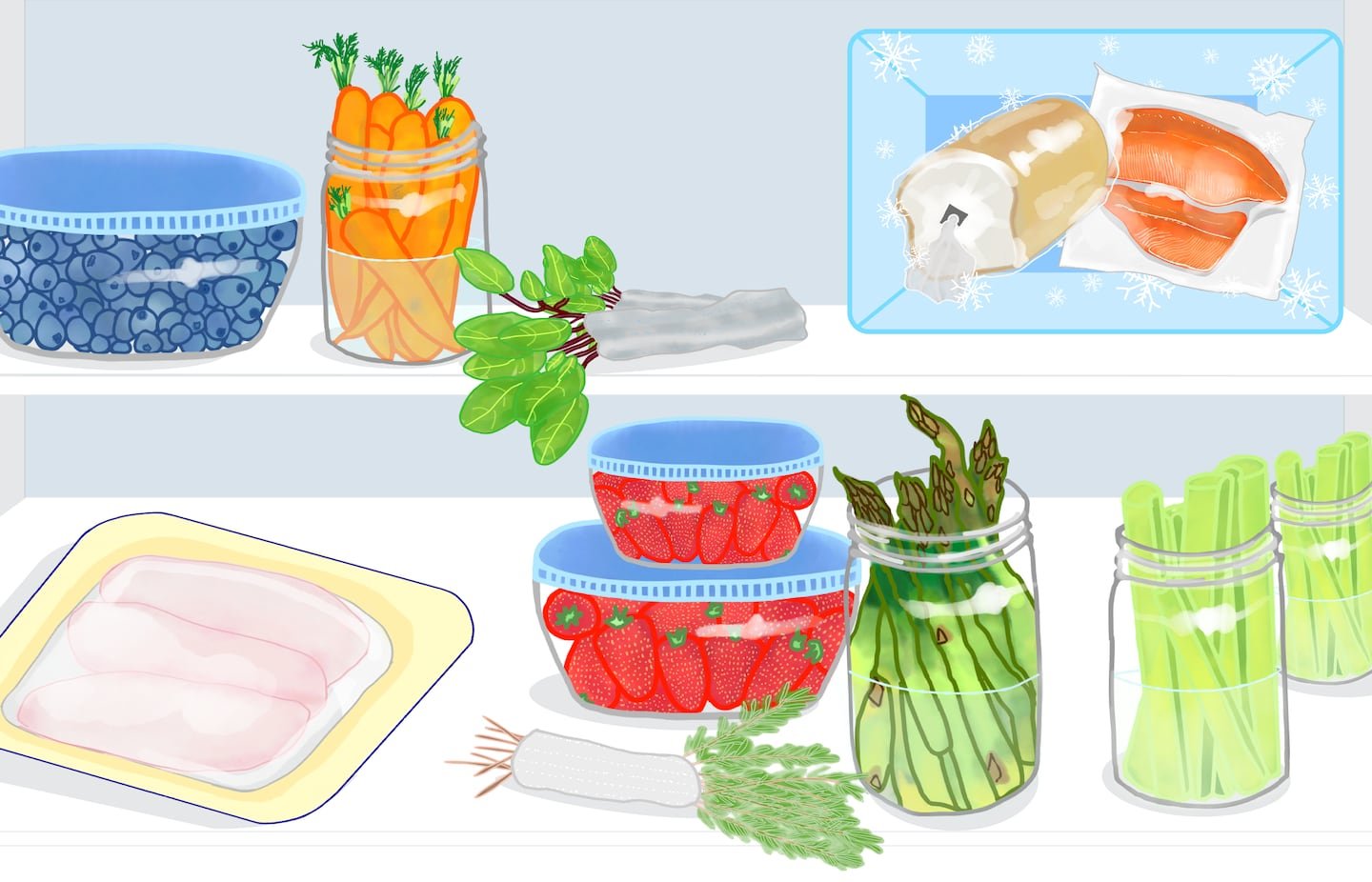
You’ve just cooked a delicious meal, and now it’s time to store the leftovers. But do you know the best way to keep your food safe and fresh?
Storing cooked food properly is key to avoiding harmful bacteria and wasting less food. You’ll discover simple, effective tips that will help you protect your health and enjoy your meals longer. Keep reading to learn how small changes in your storage habits can make a big difference.
Credit: www.canr.msu.edu
Importance Of Food Safety
Storing cooked food safely helps stop germs from growing. This keeps food fresh and healthy to eat.
Proper food safety reduces the chance of food poisoning. It protects your family and saves money by preventing waste.
Cool Cooked Food Quickly
Cool cooked food fast to stop bacteria from growing. Do not leave food out at room temperature too long.
Put hot food into shallow containers. This helps the heat leave quickly and keeps food safe.
Use Clean Containers
Store cooked food in clean, dry containers. Use airtight lids to keep germs and moisture out.
Plastic, glass, or metal containers work well. Avoid containers that are cracked or damaged.
Label And Date Stored Food
Write the date on each container. This helps you use older food first and avoid waste.
Label the food type too. It saves time and keeps your fridge organized.
Store Food At Safe Temperatures
Keep cooked food in the fridge below 40°F (4°C). Cold stops bacteria from growing fast.
If freezing, keep food below 0°F (-18°C). Frozen food lasts longer and stays safe.
Reheat Food Properly
Heat cooked food to 165°F (74°C) before eating. This kills any germs that may have grown.
Use a food thermometer to check. Stir food while reheating to heat evenly.
Proper Cooling Techniques
Cooling cooked food quickly helps prevent bacteria growth. Safe cooling keeps your food fresh and healthy.
Use the right methods to cool food fast and store it properly. This stops germs from multiplying.
Cooling Timeframes
Cooked food should cool from hot to room temperature within two hours. Then, place it in the fridge.
If food stays too long at room temperature, bacteria can grow. Keep food out of the danger zone.
- Cool food from 140°F to 70°F within 2 hours
- Cool from 70°F to 40°F within 4 hours
- Store food in the fridge at 40°F or below
Effective Storage Containers
Use containers that cool food evenly and keep air out. This helps keep food safe and tasty.
Choose containers made of glass or food-grade plastic with tight lids. Avoid very large or deep containers.
- Use shallow containers to cool food faster
- Cover food tightly to avoid contamination
- Label containers with date and content
- Use BPA-free and microwave-safe materials
Ideal Storage Temperatures
Storing cooked food at the right temperature keeps it safe. It stops bacteria from growing.
Knowing the ideal temperature helps keep food fresh and healthy to eat.
Refrigerator Guidelines
Keep your refrigerator at or below 40°F (4°C). This slows down bacteria growth on cooked food.
Store cooked food in shallow containers for quick cooling. Cover food to avoid drying out.
- Set fridge temperature to 40°F (4°C) or lower
- Use airtight containers to keep moisture in
- Place hot food in small portions to cool fast
- Check temperature regularly with a fridge thermometer
Freezer Recommendations
Freeze cooked food at 0°F (-18°C) or below. This stops bacteria and keeps food safe longer.
Label containers with date before freezing. Use frozen food within recommended time.
- Set freezer temperature to 0°F (-18°C) or colder
- Use freezer-safe containers or bags
- Leave space for air to circulate around food
- Consume frozen cooked food within 2-6 months for best quality
Preventing Cross-contamination
Storing cooked food safely is important to stop germs from spreading. Cross-contamination happens when bacteria move from one food to another.
Using good storage habits keeps food safe and fresh for eating later.
Separate Storage Areas
Keep cooked food away from raw meat, poultry, and seafood. Use different shelves or containers for each type of food.
Separate storage stops germs from raw food touching cooked food. It lowers the chance of food poisoning.
- Store raw meat on the bottom shelf to stop drips
- Use sealed containers for cooked food
- Keep ready-to-eat foods on higher shelves
Labeling And Dating
Label food containers with the name of the food and the date it was cooked. This helps you use food before it goes bad.
Proper labeling stops confusion and reduces waste. It also helps keep track of how long food has been stored.
- Write the food name clearly on each container
- Include the date cooked to track freshness
- Use waterproof labels or markers
- Throw away food stored too long
Reheating Safely
Reheating cooked food is common, but it must be done safely. Proper reheating kills harmful bacteria that can cause illness.
Always follow safe practices to keep your food healthy and tasty after storage.
Appropriate Heating Methods
Choose the right way to reheat food to avoid uneven heating. Use methods that heat food quickly and evenly.
- Microwave food on high power and stir halfway through.
- Use the oven for baked dishes, heating at 350°F (175°C).
- Heat soups and stews on the stove until they boil.
- Avoid reheating food multiple times to reduce bacteria risk.
Checking Internal Temperatures
Check the inside temperature of reheated food to ensure it is safe. Use a food thermometer for accuracy.
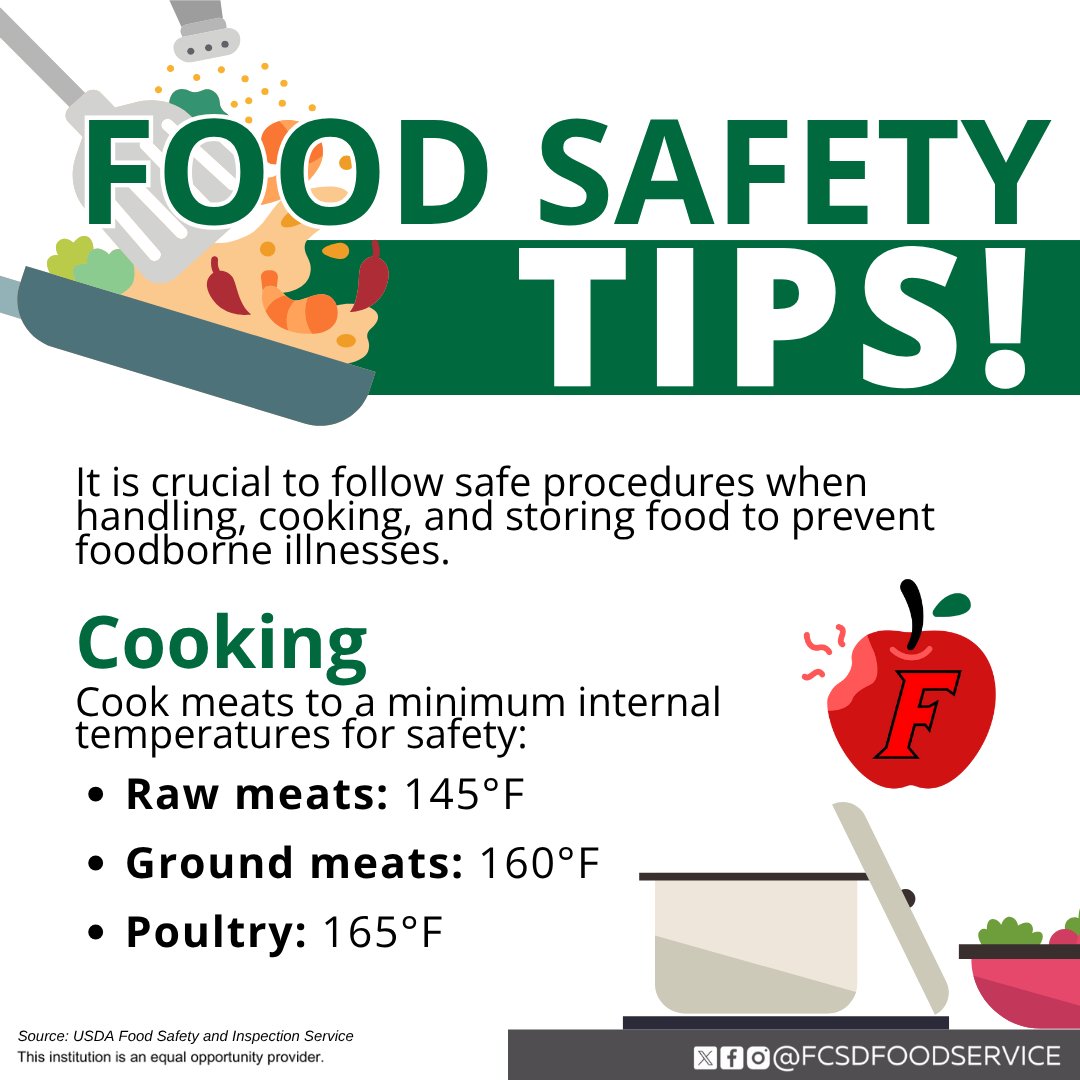
Food must reach at least 165°F (74°C) to kill harmful bacteria. Check thick or dense foods in the center.
- Insert the thermometer into the thickest part of the food.
- Wait for the reading to stabilize before checking the temperature.
- Reheat again if the food does not reach 165°F (74°C).
- Clean the thermometer after each use to avoid contamination.

Credit: x.com
Shelf Life Of Cooked Foods
Storing cooked food safely helps prevent illness. Knowing shelf life guides how long food stays good.
Different foods last different times. Proper storage keeps food fresh and tasty.
Short-term Vs Long-term Storage
Short-term storage means keeping food for a few days. Use the fridge and eat within 3 to 4 days.
Long-term storage uses the freezer. Frozen food can last for months but may lose quality over time.
- Refrigerator: 3-4 days for most cooked foods
- Freezer: 2-6 months depending on food type
- Use airtight containers to keep food fresh
- Label containers with date before storing
Signs Of Spoilage
Check cooked food carefully before eating. Spoiled food can cause sickness.
Look for changes in smell, color, and texture. These signs show food is bad.
- Bad or sour smell
- Slimy or sticky texture
- Discoloration or mold spots
- Bubbles or foam on the surface
Best Practices For Different Foods
Storing cooked food safely helps keep it fresh and stops germs from growing. Different foods need different care to stay safe to eat.
Follow simple tips for meats, dairy, fruits, and vegetables to avoid food waste and illness.
Storing Meats And Poultry
Cooked meats and poultry must cool quickly before storing. Keep them in shallow containers to help cool faster. Store in the fridge within two hours.
Use airtight containers or wrap tightly with foil or plastic wrap. Keep meat separate from other foods to avoid cross-contamination.
- Cool meat within 2 hours after cooking
- Use shallow containers for faster cooling
- Store in airtight containers or wrap tightly
- Keep meats on the bottom shelf of the fridge
- Use cooked meat within 3 to 4 days
Handling Dairy And Eggs
Cooked dairy dishes and eggs should be stored in clean, airtight containers. Keep them cold at or below 40°F (4°C). Avoid leaving these foods out too long.
Use cooked eggs and dairy within 3 to 4 days. Do not mix leftover dairy with fresh dairy to prevent bacteria growth.
- Store dairy and eggs in airtight containers
- Keep them in the coldest part of the fridge
- Use within 3 to 4 days for safety
- Avoid storing with fresh dairy or eggs
Vegetables And Fruits Storage
Cooked vegetables and fruits should cool quickly and be stored in sealed containers. Keep them in the fridge to stop spoilage and bacteria.
Separate fruits and vegetables if possible. Use cooked veggies within 3 to 4 days and cooked fruits within 5 to 7 days for best quality.
- Store cooked fruits and vegetables in airtight containers
- Cool them quickly before refrigerating
- Keep fruits and vegetables separate
- Use cooked vegetables within 3 to 4 days
- Use cooked fruits within 5 to 7 days
Credit: x.com
Frequently Asked Questions
How Long Can Cooked Food Stay Safely Refrigerated?
Cooked food can stay safely refrigerated for 3 to 4 days. Store it in airtight containers to maintain freshness. Always cool food within two hours before refrigerating. Reheat leftovers thoroughly before eating to kill any bacteria.
What Is The Best Way To Cool Cooked Food Quickly?
Divide large portions into smaller containers to cool food quickly. Place containers in an ice bath or shallow trays. Avoid leaving food out at room temperature for more than two hours. Rapid cooling reduces bacteria growth and keeps food safe.
Can I Freeze Cooked Food For Long-term Storage?
Yes, freezing cooked food extends its shelf life up to 2-6 months. Use airtight, freezer-safe containers or heavy-duty freezer bags. Label containers with dates for easy tracking. Thaw food safely in the refrigerator before reheating.
How Should I Reheat Cooked Food Safely?
Reheat cooked food to an internal temperature of 165°F (74°C). Use a microwave, oven, or stovetop to ensure even heating. Stir food occasionally to avoid cold spots. Do not reheat food more than once for safety.
Conclusion
Storing cooked food safely keeps you and your family healthy. Cool food quickly and use clean containers. Store leftovers in small portions to cool faster. Keep food in the fridge or freezer soon after cooking. Check expiration dates and throw away old food.
Reheat food properly before eating. These simple steps help prevent sickness and waste. Safe food storage is easy with a little care. Stay safe, eat well, and enjoy your meals.