
Your whisk is one of the most useful tools in your kitchen, but it often gets overlooked when it comes to care and maintenance. If you want your whisk to last longer and work better every time you use it, knowing how to maintain it properly is key.
You’ll discover simple and effective tips to keep your whisk clean, rust-free, and ready for any recipe. Keep reading, and you’ll never have to worry about a worn-out whisk slowing you down again.

Credit: www.youtube.com
Choosing The Right Whisk
Choosing the right whisk is important for your cooking tasks. It helps mix ingredients well and saves time.
Different whisks work best for different jobs. Knowing the types and materials can guide your choice.
Types Of Whisks
There are many types of whisks. Each type has a special shape and use in the kitchen.
- Balloon Whisk: Good for whipping cream and eggs.
- Flat Whisk: Best for sauces and gravies.
- Ball Whisk: Has small balls on wires, good for stirring in corners.
- French Whisk: Thinner and longer, works well for mixing batters.
Materials And Durability
Whisks are made from different materials. The material affects how long the whisk lasts and how easy it is to clean.
Stainless steel whisks are strong and last long. Silicone whisks are gentle on non-stick pans. Plastic whisks are lightweight but less durable.
- Stainless Steel: Durable and rust-resistant.
- Silicone: Heat resistant and safe for non-stick pans.
- Plastic: Lightweight but can melt or bend easily.
Proper Cleaning Techniques
Keeping your whisk clean helps it last longer and stay safe to use. Dirt and food can stick to the wires after mixing.
Cleaning your whisk well stops bacteria from growing. It also keeps your kitchen tools in good shape.
Hand Washing Vs. Dishwasher
Hand washing your whisk is gentle and lets you clean every part. Use warm water and soap. Rinse well to remove all soap.
Dishwashers can clean whisks quickly. Some whisks may not fit well or get fully clean in a dishwasher. Check if your whisk is dishwasher safe.
- Hand washing removes food stuck between wires better
- Dishwasher saves time but may miss small spots
- Hand washing helps protect whisk handle and wires
- Dishwasher safe whisks are made from sturdy materials
Removing Stubborn Residue
Food can harden on a whisk after cooking. Soak the whisk in warm, soapy water to soften residue.
Use a small brush or sponge to scrub stuck bits. Avoid sharp tools that can damage the wires.
- Soak whisk in warm water for 10-15 minutes
- Use a soft brush to clean between wires
- Rinse well to remove all soap and loosened residue
- Dry the whisk completely to stop rust or damage
Storage Solutions
Keeping your whisk in good shape starts with how you store it. Proper storage helps the whisk last longer and stay clean.
Choosing the right storage method can protect the whisk’s wires and handle from damage.
Hanging Vs. Drawer Storage
Hanging your whisk keeps it dry and easy to grab. It also stops the wires from bending.
Drawer storage can protect the whisk from dust but may cause the wires to get tangled or bent if crowded.
- Hanging keeps whisk dry and shape intact
- Drawer storage protects from dust
- Drawers risk bending wires if cluttered
- Choose a storage spot with enough space
Avoiding Moisture Buildup
Moisture causes rust and weakens whisk wires. Always dry your whisk completely before storing.
Store your whisk in a dry place with good air flow to stop moisture buildup.
- Dry whisk fully after washing
- Use a towel to remove water
- Keep whisk in a well-ventilated area
- Avoid storing whisk in damp drawers or containers

Credit: emptea.co
Regular Inspection
Maintaining your whisk helps it last longer and work well. Regular inspection finds problems early.
Check your whisk often to keep it clean and safe. Look closely at all parts for any issues.
Checking For Damage
Look for cracks, bends, or broken wires on your whisk. These damages can make it unsafe or less effective.
Also check the handle. Make sure it is not loose or cracked. A strong handle keeps your whisk stable.
- Check wire loops for breaks or bends
- Inspect the handle for cracks or looseness
- Look for rust or discoloration on metal parts
Signs Of Wear And Tear
Wear and tear happens with regular use. Worn wires may lose their shape or become rough.
Handle grips can become slippery or worn out. These signs mean you should clean or replace parts soon.
- Wires losing shape or bending easily
- Metal parts feeling rough or rusty
- Handle grip worn or slippery
- Loose connections between handle and wires
Maintaining Whisk Performance
A whisk needs care to work well for a long time. Regular maintenance keeps it strong and easy to use.
Small problems can cause big trouble if you do not fix them early. This guide helps you keep your whisk in good shape.
Retightening Loose Components
Loose parts can make your whisk unsafe and less effective. Check the handle and wires often to see if they move too much.
Use a small tool to tighten screws or fasteners. Do not force parts as they may break. Tightening keeps your whisk steady and easy to control.
Smoothing Rough Edges
Rough edges can scratch bowls or hurt your hands. Feel the wires and handle for any sharp or rough spots.
Use fine sandpaper to smooth out rough areas gently. This helps your whisk last longer and makes it safer to use.

Credit: theteacupoflife.com
Extending Whisk Lifespan
Keeping your whisk in good shape helps it last longer. A well-maintained whisk works better and saves money.
Simple care steps can protect your whisk from damage and wear over time.
Avoiding Abrasive Cleaners
Abrasive cleaners can scratch and damage your whisk’s surface. This weakens the wires and handle.
Use gentle soap and warm water to clean your whisk. Avoid steel wool or rough scrubbers.
- Use soft sponges or cloths
- Choose mild dish soap
- Rinse thoroughly to remove soap
- Dry completely to prevent rust
Using For Appropriate Tasks
Use your whisk only for mixing or beating liquids and soft ingredients. Avoid heavy or thick doughs.
Using a whisk for hard tasks bends wires and breaks the handle. This shortens its lifespan.
- Whisk eggs, cream, and sauces
- Do not use on thick dough or batter
- Switch to a spoon or mixer for heavy tasks
Frequently Asked Questions
How Often Should I Clean My Whisk?
Clean your whisk after each use to prevent food buildup. Use warm, soapy water and a brush for thorough cleaning. Dry it completely to avoid rust and maintain hygiene.
Can I Put My Whisk In The Dishwasher?
Most stainless steel whisks are dishwasher safe. However, hand washing is gentler and prolongs the whisk’s lifespan. Check manufacturer guidelines before using a dishwasher.
How Do I Remove Stubborn Food From A Whisk?
Soak the whisk in warm soapy water for 10-15 minutes. Use a brush or sponge to remove stuck food. Rinse well and dry thoroughly afterward.
What Is The Best Way To Store A Whisk?
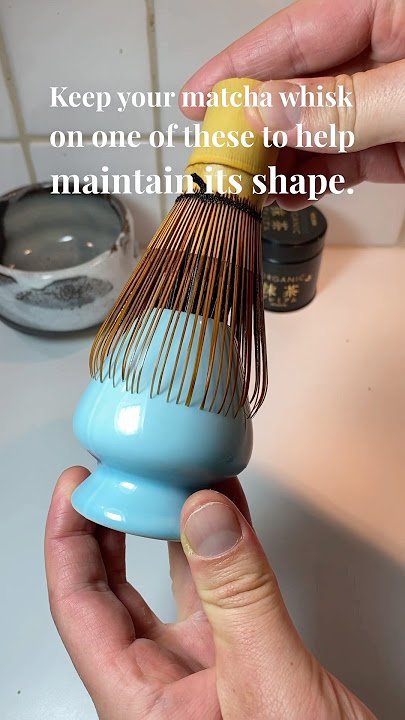
Store your whisk in a utensil holder or hang it to keep its shape. Avoid cramped drawers that can bend or damage the wires.
Conclusion
Keeping your whisk clean and dry helps it last longer. Wash it right after use to stop food from sticking. Avoid strong scrubbing that can bend the wires. Store your whisk in a dry place to stop rust. Regular care keeps your whisk ready for any recipe.
Small habits make a big difference in kitchen tools. Take a little time to care for your whisk daily. This helps you cook better and saves money too. Easy steps, great results.