

If you use a mandoline slicer regularly, you know how much it speeds up your prep work. But have you ever stopped to think about how to keep it sharp, safe, and working like new?
Taking care of your mandoline slicer doesn’t have to be a hassle. With a few simple steps, you can avoid dull blades, stubborn stains, and even accidents in the kitchen. Keep reading, and you’ll discover easy tips that will protect your slicer—and make your cooking smoother every time.
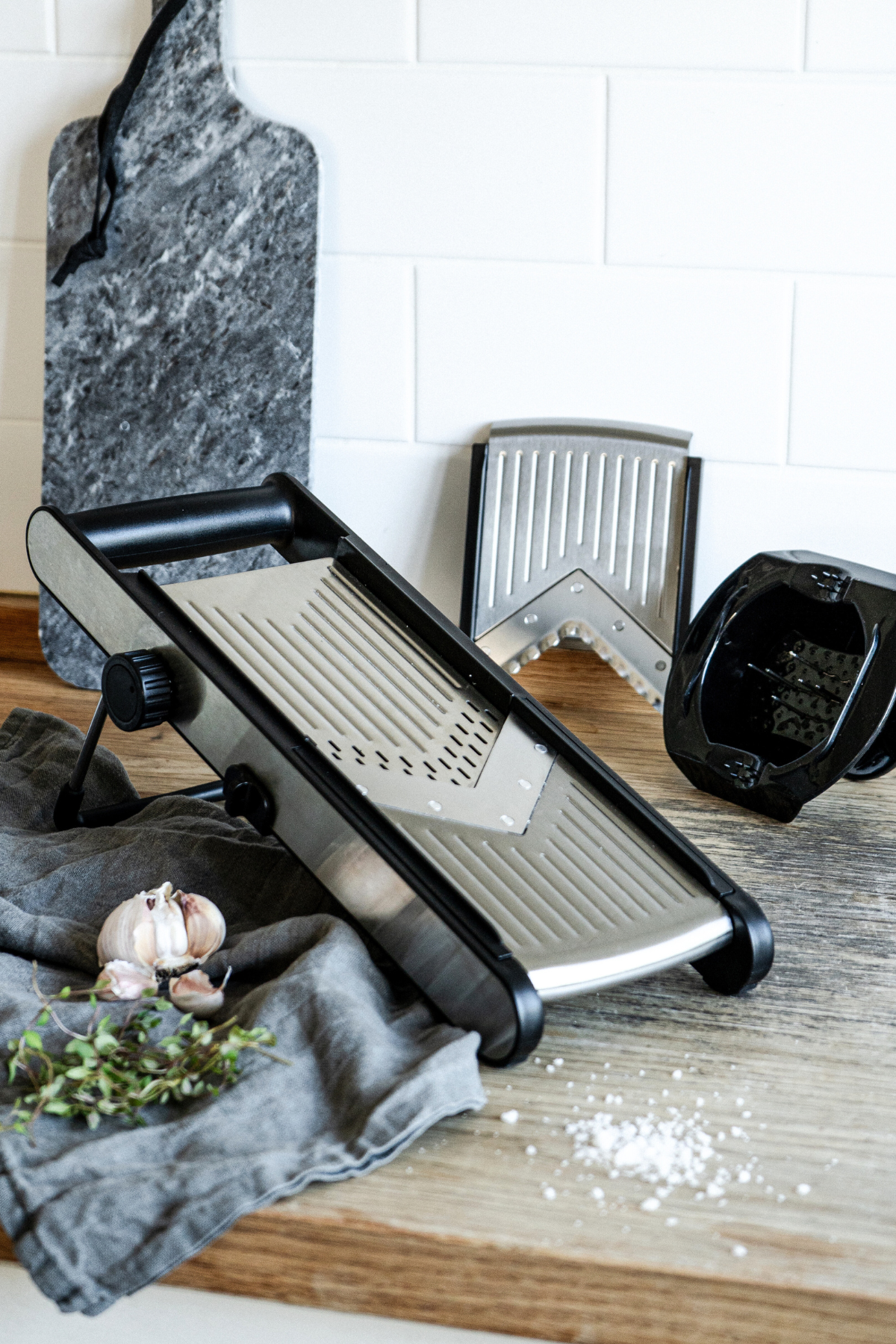
Credit: heirol.fi
Choosing The Right Mandoline Slicer
A mandoline slicer helps you cut fruits and vegetables evenly. Choosing the right one makes your work easier.
Look for features that fit your cooking style and safety needs. This guide covers important points to consider.
Material Considerations
Mandoline slicers come in different materials. The material affects durability and how easy it is to clean.
Plastic models are light and often cheaper. Metal slicers are stronger and last longer.
- Plastic: Lightweight and easy to handle
- Stainless Steel: Durable and resistant to rust
- Combination: Plastic body with metal blades
- Wood: Less common, mostly for handles
Blade Types And Uses
Different blades create different cuts. Choose a slicer with blades that fit your cooking needs.
Sharp blades cut smoothly and reduce effort. Some slicers have interchangeable blades for variety.
- Straight Blade: For simple slices
- Julienne Blade: For thin strips
- Wavy Blade: For crinkle cuts
- Grater Blade: For shredding cheese or vegetables
Regular Cleaning Techniques
Keeping your mandoline slicer clean is important for safety and performance. Regular cleaning stops food from sticking and keeps the blades sharp.
Cleaning your slicer after each use helps it last longer and keeps your kitchen hygienic.
Safe Cleaning Practices
Always handle the blades with care to avoid cuts. Use a soft brush or cloth to clean around sharp parts. Avoid touching blades directly with your fingers.
Never put your hands near the blade when washing. Use warm water and mild soap to remove food particles. Dry the slicer completely before storing it.
- Wear cut-resistant gloves if possible
- Use a brush to clean blades safely
- Wash with warm, soapy water
- Do not soak blades for a long time
- Dry all parts thoroughly before storage
Detachable Parts Care
Many mandoline slicers have parts you can remove. Detach these parts carefully to clean them better. Check the user guide for instructions.
Wash detachable parts separately using warm water and soap. Use a soft sponge to avoid scratching. Let them air dry or use a clean towel.
- Remove all detachable parts before cleaning
- Clean each part with mild soap and water
- Avoid abrasive scrubbers to protect surfaces
- Dry parts completely before reassembling
- Store parts in a dry place to prevent rust
Proper Storage Solutions
Keeping your mandoline slicer in good shape means storing it correctly. Proper storage protects the blades and parts. It also keeps the slicer safe from damage.
Using the right storage methods helps your mandoline last longer. It also keeps your kitchen organized and clean.
Avoiding Moisture Damage
Moisture can cause rust and dull blades on your mandoline slicer. Always dry the slicer completely after washing.
Store the slicer in a dry place away from water sources. Avoid leaving it near the sink or dishwasher.
- Use a clean, dry cloth to wipe the slicer
- Keep it in a well-ventilated area
- Place silica gel packs nearby to absorb moisture
- Do not store in plastic bags that trap humidity
Space-saving Ideas
Mandoline slicers are slim but can take up space if not stored well. Use smart storage ideas to save kitchen space.
Store the slicer in a drawer or hang it to keep counters clear. Organizing your kitchen helps you find tools fast.
- Use drawer dividers to keep the slicer in place
- Hang the slicer with hooks or pegboards
- Store the slicer with its safety guard on
- Keep blades and parts in small containers or cases

Credit: www.amazon.ca
Sharpening And Blade Maintenance
Keeping your mandoline slicer sharp is important for safe and easy use. A sharp blade cuts food cleanly and reduces the risk of accidents.
Regular maintenance helps your slicer last longer. This guide focuses on how to check your blade and keep it sharp.
Signs Your Blade Needs Sharpening
If your mandoline slicer is harder to use, the blade might be dull. Watch for these signs to know when to sharpen it.
- Food slices unevenly or tears instead of cuts
- You need to press harder to slice food
- Blade edges look dull or worn under light
- Slicer feels less smooth during use
Sharpening Tools And Methods
You can sharpen your mandoline blade with simple tools. Use a method that fits your blade type and your comfort level.
- Use a whetstone or sharpening stone for a fine edge
- Try a small diamond file to fix nicks and rough spots
- Pull the blade carefully across the stone at a steady angle
- Always clean the blade before and after sharpening
- Wear cut-resistant gloves to protect your hands
Safety Measures During Use
Using a mandoline slicer can help you cut food quickly and evenly. It is important to stay safe while using it to avoid injuries.
Following simple safety rules will protect your hands and fingers during slicing tasks.
Using Safety Guards
Always use the safety guard that comes with the mandoline slicer. It holds the food and keeps your fingers away from the blade.
If the guard is missing or broken, do not use the slicer until it is replaced. The guard is key to safe slicing.
- Attach the safety guard firmly before slicing
- Hold the food securely with the guard
- Do not remove the guard during use
- Keep fingers away from the blade area
Avoiding Common Injuries
Most injuries happen when fingers touch the sharp blade. Take your time and focus while slicing.
Use steady pressure and slice in a controlled way. Stop slicing when the piece of food becomes too small to hold safely.
- Do not rush or force the food through the blade
- Use a cut-resistant glove for extra protection
- Clean the slicer carefully after use, avoiding the blade
- Store the mandoline with the blade covered or locked
Inspecting For Wear And Tear
Maintaining your mandoline slicer helps keep it safe and effective. Regular checks can find problems early.
Looking closely at all parts can stop damage from getting worse. This saves time and money.
Identifying Damage Early
Check the blade for dullness or chips. A sharp blade cuts better and is safer.
Look at the frame and handles for cracks or breaks. These can cause the slicer to slip or break.
- Blade dullness or nicks
- Loose or broken handles
- Cracks in the body or frame
- Rust or corrosion on metal parts
When To Replace Parts
Replace blades if they are dull or chipped. Using a bad blade can be dangerous.
Change any cracked or broken parts quickly. Broken parts affect safety and performance.
- Replace blades when cutting is uneven or hard
- Replace handles if they feel loose or cracked
- Replace the entire slicer if the frame is badly damaged
Routine Lubrication Advice
Keeping your mandoline slicer working smoothly needs regular care. Lubrication is key to prevent wear and tear.
Applying the right lubricant at the right spots helps your slicer last longer and work better.
Lubricating Moving Parts
Focus on the slicer’s moving parts like the blade adjustment knob and sliding platform. These parts can get stiff without oil.
Clean the parts before applying lubricant. Use a cloth to remove food bits and dust.
- Apply a small amount of lubricant to hinges and sliders
- Turn knobs back and forth to spread the oil evenly
- Wipe off any extra oil to avoid sticky residue
Choosing The Right Lubricant
Use food-safe lubricants to keep your slicer safe for kitchen use. Avoid oils that can spoil or smell bad.
- Food-grade mineral oil is safe and widely used
- Silicone-based lubricants work well for plastic parts
- Avoid cooking oils; they can become sticky or rancid
- Check labels to ensure the lubricant is non-toxic
Common Mistakes To Avoid
Maintaining a mandoline slicer properly helps keep it sharp and safe. Many people make simple mistakes that can damage the slicer.
Knowing what to avoid will help your mandoline last longer and work better every time.
Improper Cleaning Techniques
Some users clean mandoline slicers carelessly. Using rough sponges or scrubbers can dull the blades fast.
Leaving food stuck on the slicer can cause rust or bacteria growth. It is important to clean all parts carefully after each use.
- Do not use steel wool or harsh brushes on blades.
- Avoid soaking the slicer for too long in water.
- Use warm soapy water and a soft cloth or brush.
- Dry the slicer completely to prevent rust.
Neglecting Regular Maintenance
Many people forget to check their mandoline slicer regularly. This can lead to dull blades and loose parts.
Regular maintenance keeps the slicer safe and effective. Tighten screws and sharpen blades when needed.
- Inspect blades for dullness or damage often.
- Tighten any loose screws or parts.
- Sharpen blades or replace them if they become dull.
- Store the slicer in a dry place to avoid rust.

Credit: chefsupplyco.com.au
Frequently Asked Questions
How Often Should I Clean My Mandoline Slicer?
Clean your mandoline slicer immediately after each use. This prevents food residue buildup and maintains sharpness. Use warm, soapy water and a brush for thorough cleaning. Dry completely to avoid rust and ensure long-lasting performance.
What’s The Best Way To Sharpen Mandoline Blades?
Use a sharpening stone or professional sharpening service for mandoline blades. Avoid using electric sharpeners as they may damage the blades. Regular sharpening keeps slices precise and safe to use.
Can I Put My Mandoline Slicer In The Dishwasher?
Most mandoline slicers are not dishwasher safe. Hand wash to preserve blade sharpness and prevent rust. Always check the manufacturer’s instructions before cleaning in a dishwasher.
How Do I Safely Store A Mandoline Slicer?
Store your mandoline slicer with the blade covered or in its protective case. Keep it in a dry place, out of reach of children. Proper storage prevents accidents and blade damage.
Conclusion
Keeping your mandoline slicer clean and sharp ensures safe use. Always wash it carefully after each use. Store it in a dry place to avoid rust. Regularly check the blades for any dullness or damage. Using it gently protects both the tool and your fingers.
A well-maintained slicer makes food prep faster and easier. Small efforts lead to long-lasting kitchen tools. Stay safe, keep it clean, and enjoy slicing with ease.