
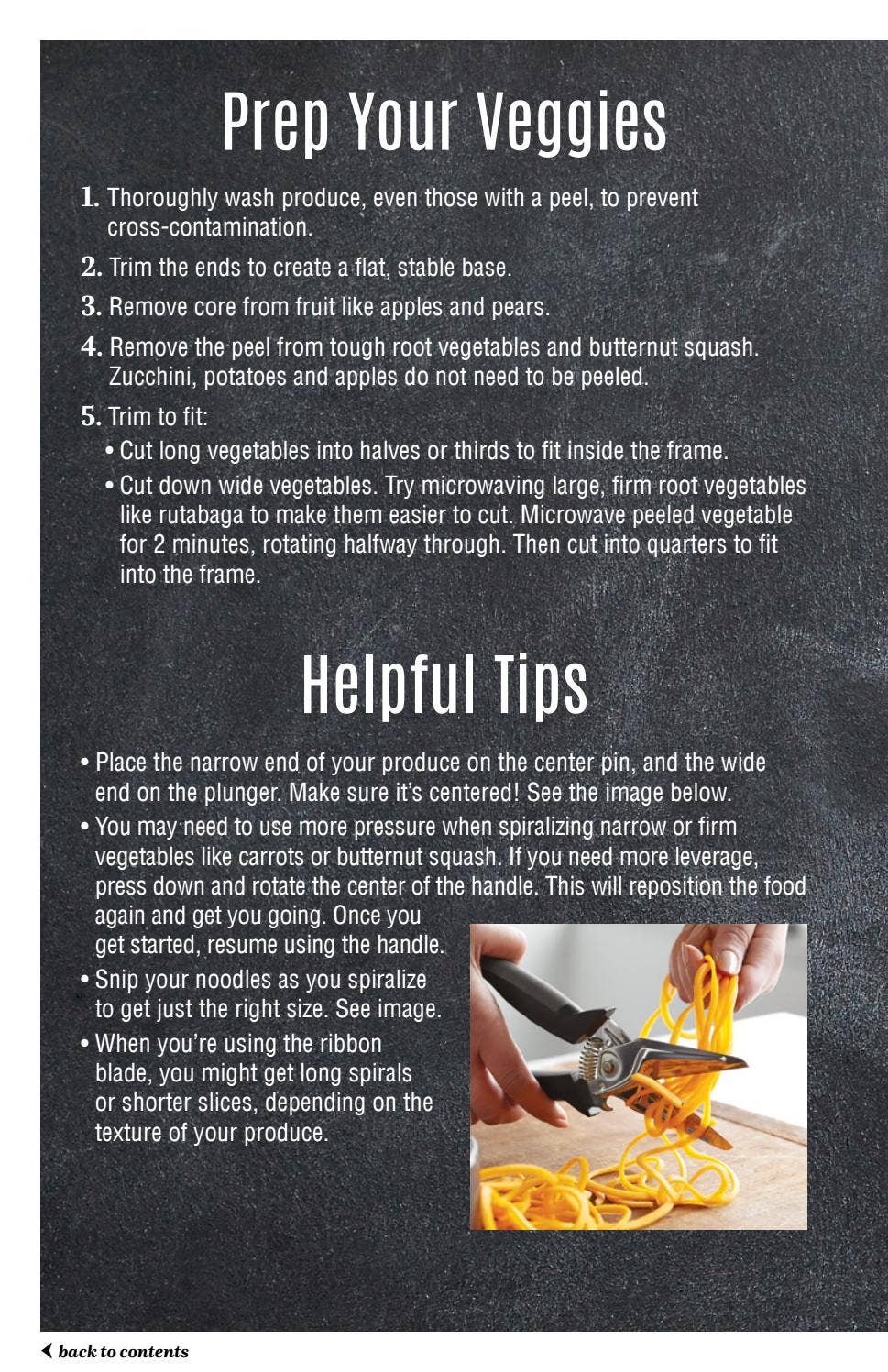
Are you ready to transform your meals with fresh, colorful veggies that look as good as they taste? Using a vegetable spiralizer can turn ordinary vegetables into fun, curly noodles that make healthy eating exciting.
But if you’re new to this handy kitchen tool, you might wonder how to get the best results without wasting time or food. You’ll discover simple tips that will help you use your vegetable spiralizer like a pro. Keep reading, and soon you’ll be creating delicious, eye-catching dishes that impress everyone at your table.
Choosing The Right Spiralizer
Using a vegetable spiralizer is fun and helps make healthy meals. Picking the right spiralizer makes your cooking easier.
There are different types of spiralizers with unique features. Knowing these helps you find one that fits your needs.
Types Of Spiralizers
Spiralizers come in three main types: handheld, countertop, and electric. Each type works best for different users.
Handheld spiralizers are small and easy to store. Countertop spiralizers are larger but stable and good for many vegetables. Electric spiralizers save time by working automatically.
- Handheld:Light, portable, best for soft vegetables.
- Countertop:Stable, good for hard vegetables, multiple blades.
- Electric:Fast, less effort, ideal for large amounts.
Features To Consider
Look for features that make spiralizing safe and easy. Think about the size, blade types, and cleaning options.
Check if the spiralizer has non-slip feet for stability. Removable blades help with cleaning. Some spiralizers offer different blade shapes for varied cuts.
- Non-slip base to keep steady while using
- Multiple blade options for different noodle shapes
- Easy to clean parts that are dishwasher safe
- Strong handle or crank for less effort
- Compact size for easy storage
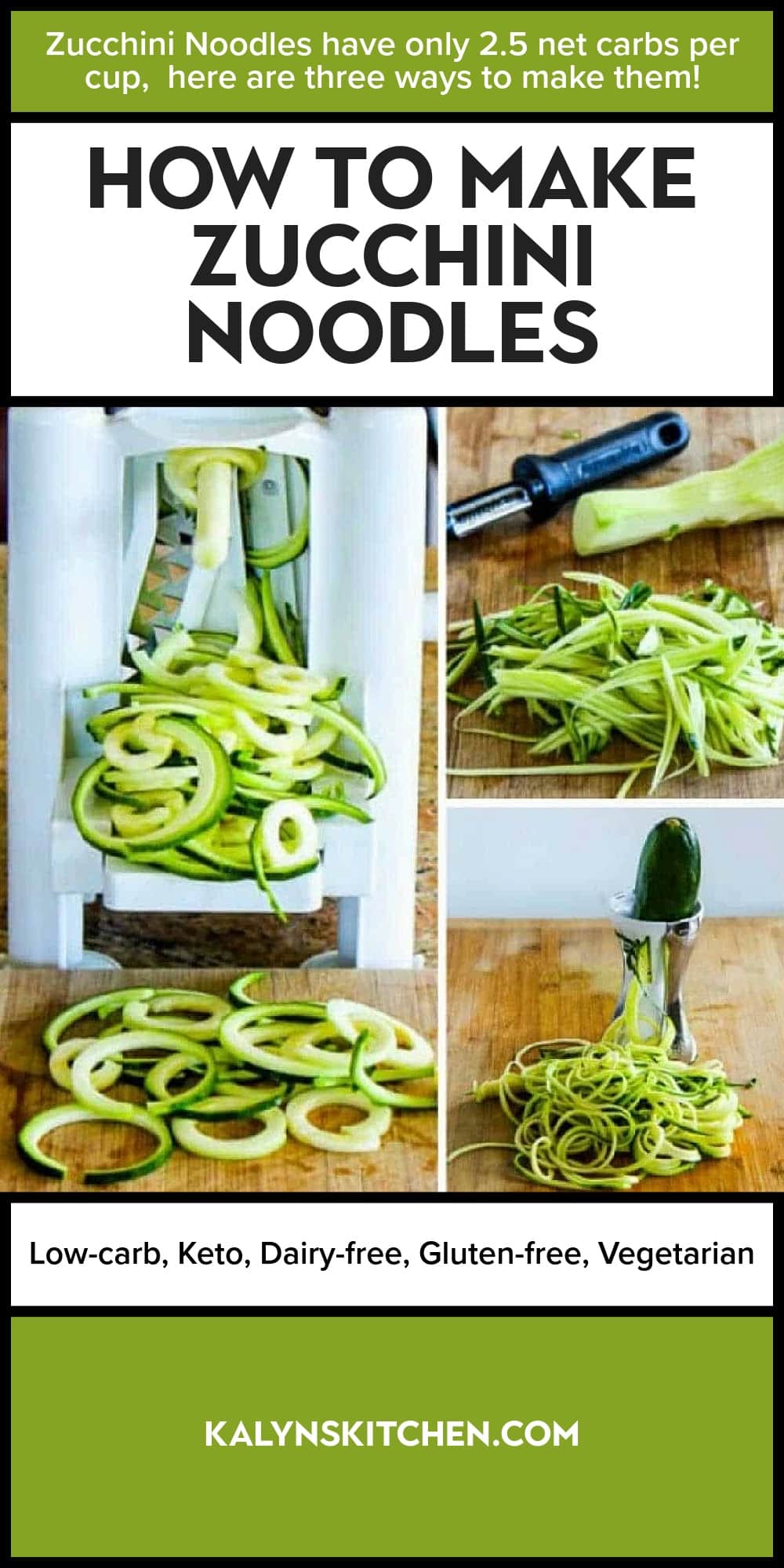
Credit: kalynskitchen.com
Preparing Vegetables For Spiralizing
Using a spiralizer is a fun way to make vegetable noodles. Preparing your vegetables correctly helps get the best results.
Cutting, cleaning, and peeling your vegetables the right way makes spiralizing easier and safer.
Best Vegetables For Spiralizing
Choose firm and long vegetables for easy spiralizing. Soft or watery vegetables can break or get mushy.
- Zucchini – popular for noodles and salads
- Carrots – add color and crunch
- Cucumbers – great for fresh dishes
- Sweet potatoes – good for baking or frying
- Beets – add a sweet and earthy flavor
- Butternut squash – works well for cooking
Proper Cleaning And Peeling Techniques
Wash vegetables under cold water to remove dirt and pesticides. Use a vegetable brush for tougher skins.
Peel vegetables with thick or waxy skins to avoid bitterness or tough texture in your spirals.
- Use a sharp peeler for smooth, even peeling
- Remove both ends of the vegetable for better spiralizing
- Trim any soft or damaged spots before peeling
- For softer vegetables, peel gently to avoid breaking
Mastering Spiralizing Techniques
Using a vegetable spiralizer can add fun and health to your meals. It helps turn vegetables into noodle shapes quickly.
Learning the right techniques makes your noodles look better and cook evenly. It also saves time and reduces waste.
Creating Consistent Noodles
Consistent noodles cook more evenly and look nicer on your plate. Choose firm vegetables for the best results.
Hold the vegetable steady and apply even pressure as you twist. This helps keep noodle thickness uniform.
- Trim ends flat for better spinning
- Use the right blade for noodle size
- Rotate slowly and steadily
- Check noodles for uniform thickness
Avoiding Common Mistakes
Many people push too hard, which can break the noodles or damage the spiralizer. Use gentle, steady pressure.
Do not spiralize soft or watery vegetables. They can become mushy and hard to handle.
- Do not force the vegetable if it sticks
- Keep blades clean to avoid slipping
- Cut vegetables into manageable sizes
- Store spiralized noodles properly to keep freshness
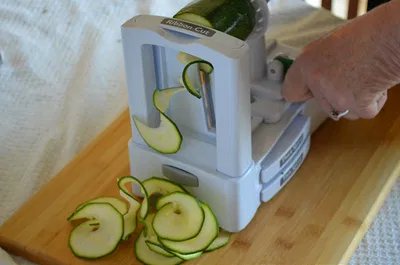
Credit: www.bariatricfoodie.com
Enhancing Flavor And Texture
Using a vegetable spiralizer changes the way vegetables look and feel. It also affects their taste and texture. You can make your dishes more exciting by focusing on flavor and texture.
Spiralized vegetables cook differently and absorb flavors better. Knowing how to season and cook them helps you get the best results.
Seasoning And Sauces
Seasoning spiralized vegetables is important. Light spices and fresh herbs work well. Use sauces that match the vegetable’s taste to add flavor.
- Salt and pepper bring out natural flavors
- Fresh herbs like basil or cilantro add brightness
- Simple sauces like olive oil and lemon juice enhance taste
- Spicy sauces can add a kick to mild veggies
Cooking Methods For Optimal Results
Cooking spiralized vegetables quickly keeps their crunch and color. Overcooking makes them soft and mushy. Choose cooking methods that protect texture.
- Sauté for 1-2 minutes in a hot pan
- Steam briefly to keep nutrients and color
- Use raw spiralized veggies in salads for crunch
- Roast carefully to add caramelized flavor without losing shape
Storing And Reusing Vegetable Noodles
Vegetable noodles made with a spiralizer are a tasty and healthy option. Storing them properly keeps them fresh longer. You can also reuse leftovers in many ways to avoid waste.
Knowing how to store and reuse vegetable noodles helps you enjoy them anytime. It also saves time for your next meal.
Proper Storage Techniques
Store vegetable noodles in an airtight container or a resealable bag. Keep them in the fridge to stay fresh.
Place a paper towel inside the container to absorb extra moisture. This prevents sogginess.
- Use containers that seal tightly
- Keep noodles in the fridge for up to 3 days
- Add a paper towel to soak moisture
- Avoid freezing as it changes texture
Creative Uses For Leftovers
Leftover vegetable noodles can be used in many dishes. They work well in salads, stir-fries, and soups.
You can also bake them with cheese or mix with sauces for a quick meal.
- Add noodles to mixed salads for crunch
- Stir-fry with garlic and soy sauce
- Use in soups instead of pasta
- Bake with cheese and herbs as a side dish
- Mix with tomato sauce for a low-carb meal

Credit: www.youtube.com
Exploring Spiralizer Recipes
A vegetable spiralizer is a handy kitchen tool. It turns vegetables into long, curly strands. This makes meals fun and healthy.
Spiralized vegetables can be used in many recipes. They add texture and color to your dishes. Let’s look at some easy ideas.
Simple Recipes To Try
Start with easy recipes using spiralized vegetables. Zucchini noodles are a popular choice. You can cook them like pasta or eat them raw.
Try spiralized carrots or cucumbers in salads. They add crunch and freshness. Use spiralized sweet potatoes for baked dishes.
- Zucchini noodles with tomato sauce
- Carrot and cucumber salad with lemon dressing
- Baked sweet potato spirals with herbs
- Spiralized beetroot with feta cheese
Incorporating Spiralized Vegetables In Meals
You can add spiralized vegetables to many meals. Use them instead of pasta to lower carbs. They cook faster and taste great.
Mix spiralized veggies into stir-fries or soups. They also work well in wraps or as a side dish. This adds nutrition and flavor.
- Replace pasta with spiralized zucchini in spaghetti
- Add spiralized vegetables to omelets or frittatas
- Use spiralized veggies in spring rolls or wraps
- Stir spiralized vegetables into soups or stews
Frequently Asked Questions
How Do I Choose The Right Vegetable Spiralizer?
Choose a spiralizer based on blade types and ease of cleaning. Look for durable materials and a stable base. Consider your vegetable preferences to match blade options. Reviews help identify user-friendly models. A good spiralizer makes prep faster and safer.
What Vegetables Work Best With A Spiralizer?
Firm vegetables like zucchini, carrots, cucumbers, and sweet potatoes work best. Softer vegetables may get mushy or clog blades. Using fresh, crisp produce ensures clean, curly spirals. Experiment with different veggies for varied textures and flavors in your meals.
How Do I Clean A Vegetable Spiralizer Effectively?
Disassemble the spiralizer and rinse blades immediately after use. Use a brush to remove stuck bits. Wash parts with warm, soapy water and dry thoroughly. Some models are dishwasher-safe; check manufacturer guidelines. Proper cleaning maintains performance and hygiene.
Can Spiralized Vegetables Replace Pasta In Recipes?
Yes, spiralized vegetables are a healthy pasta alternative. They are low in carbs and calories. Use them in salads, stir-fries, or with your favorite sauces. Cooking time is shorter, so avoid overcooking to keep texture. They add nutrition and variety to meals.
Conclusion
Using a vegetable spiralizer can make cooking fun and healthy. Start with firm vegetables for best results. Clean the tool right after use to keep it sharp. Try different veggies to find your favorite shapes and flavors. Small steps lead to tasty, colorful meals every time.
Enjoy fresh, homemade dishes with little effort. Keep practicing and enjoy the creative process in your kitchen.