
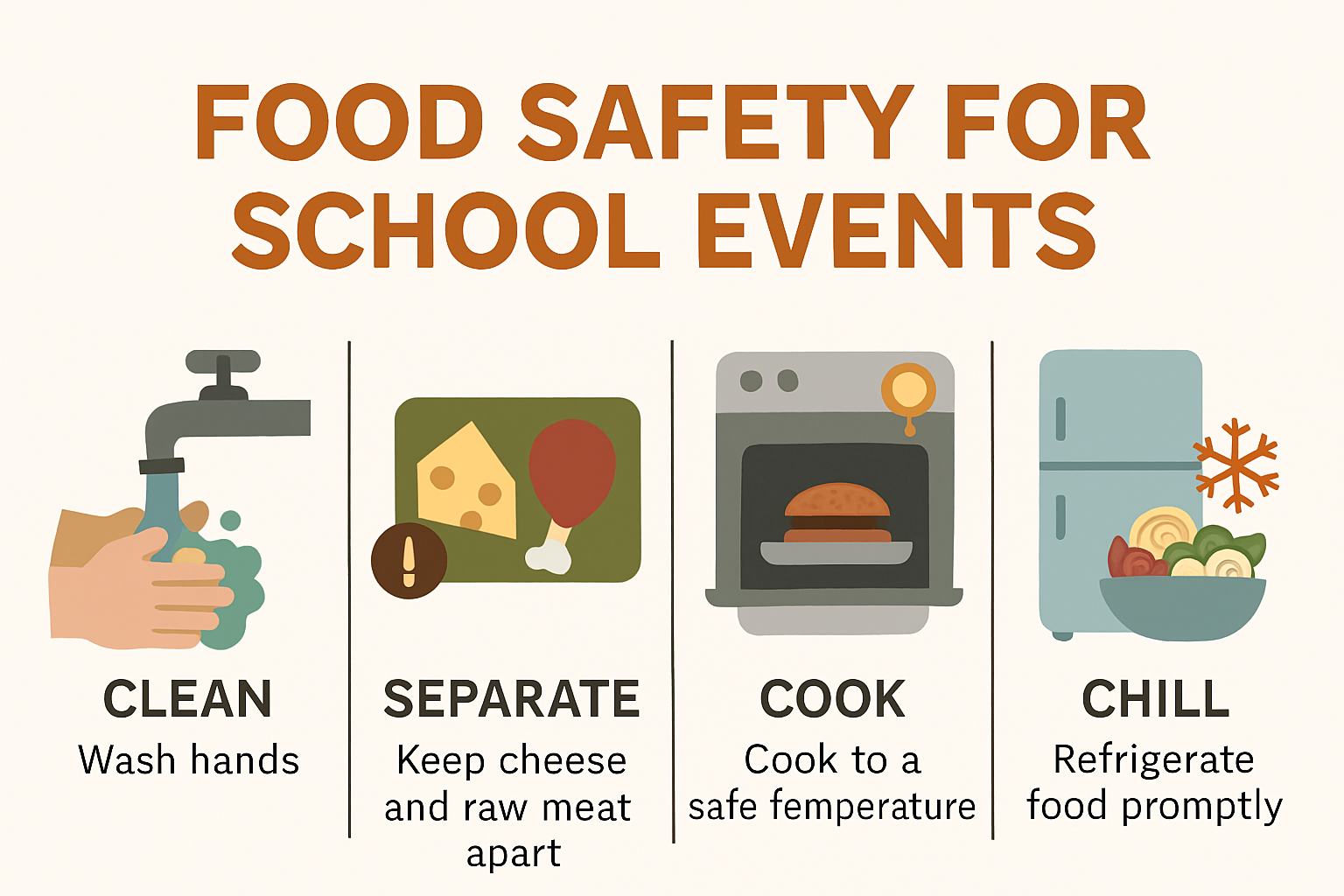
When you’re cooking, safety might not be the first thing on your mind. But did you know that simple mistakes in handling food can lead to serious health problems?
You want your meals to be delicious and safe for everyone at your table. By following a few easy tips, you can protect yourself and your loved ones from harmful bacteria and foodborne illnesses. Keep reading to discover practical steps that will make your cooking safer and more enjoyable every time.
Importance Of Food Safety
Food safety is very important to keep us healthy. Safe food handling helps stop sickness from germs.
Following good food safety rules protects you and your family. It also makes cooking more enjoyable.
Prevent Cross-contamination
Cross-contamination happens when germs spread from one food to another. This can make food unsafe to eat.
Keep raw meat, poultry, and seafood separate from ready-to-eat foods. Use different cutting boards and utensils.
- Wash hands before and after handling raw food
- Use separate plates for raw and cooked food
- Clean surfaces and tools after each use
Cook Food To Safe Temperatures
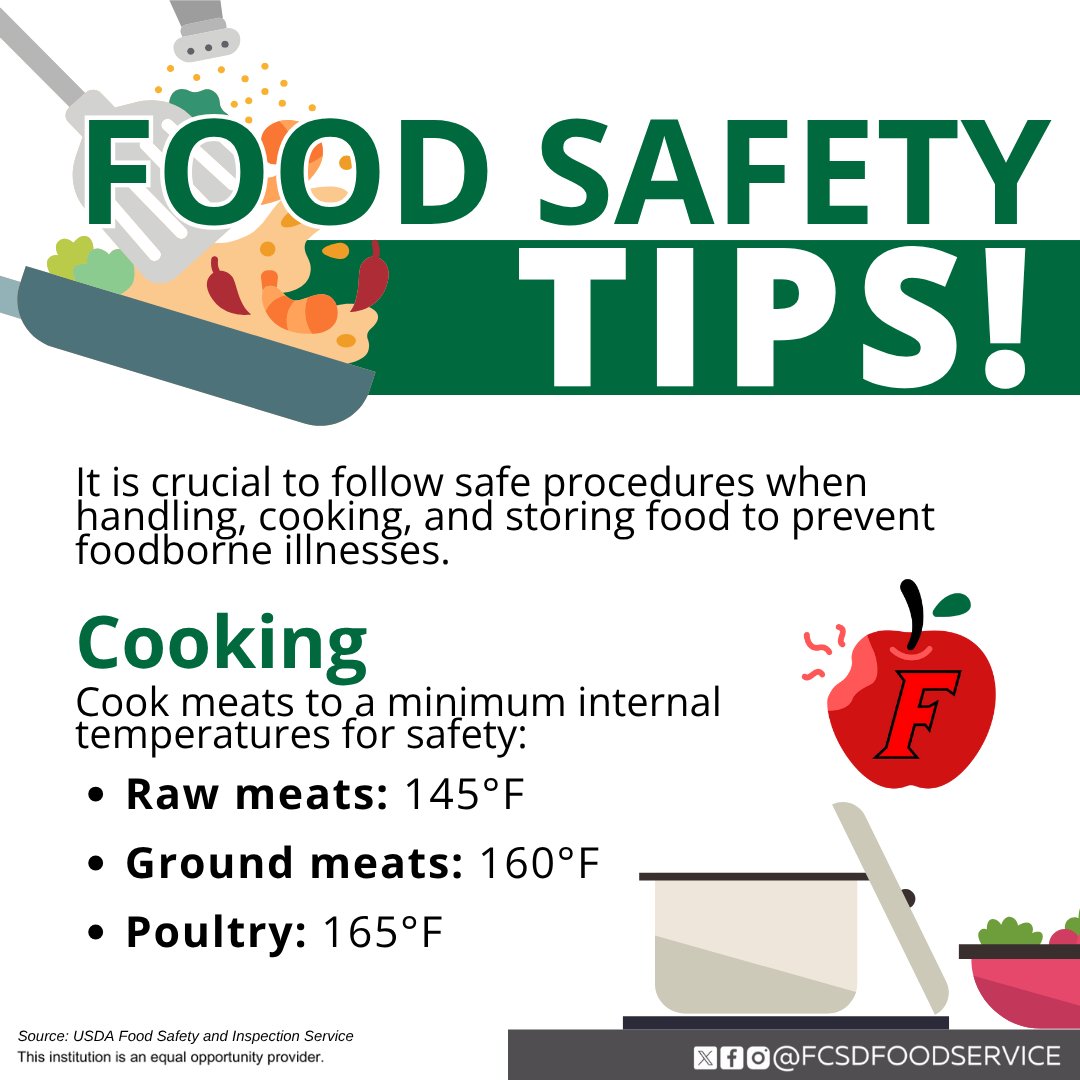
Cooking food fully kills harmful germs. Use a food thermometer to check the temperature.
Each type of food has a safe minimum cooking temperature. Make sure to reach or pass that temperature.
- Chicken and poultry: 165°F (74°C)
- Ground meats: 160°F (71°C)
- Beef, pork, lamb (steaks and roasts): 145°F (63°C)
- Seafood: 145°F (63°C)
Store Food Properly
Proper storage keeps food safe and fresh. Keep cold food cold and hot food hot.
Refrigerate perishable food within two hours. Use airtight containers to stop germs and moisture.
- Keep fridge below 40°F (4°C)
- Freeze food you won’t eat soon
- Label leftovers with date stored
Wash Hands And Surfaces Often
Clean hands and surfaces stop germs from spreading. Wash hands before and after food tasks.
Clean cutting boards, knives, and counters with hot, soapy water after use. Use clean towels or paper towels.
- Wash hands for at least 20 seconds
- Use separate towels for dishes and hands
- Sanitize surfaces regularly
Personal Hygiene Practices
Keeping clean while cooking helps stop germs from spreading. Good hygiene protects you and others from food sickness.
Simple habits like washing hands and wearing clean clothes are key. These steps keep your kitchen safe and healthy.
Handwashing Techniques
Wash your hands often with soap and warm water. Clean hands stop germs from moving to food.
Rub your hands together for at least 20 seconds. Make sure to clean under nails and between fingers.
- Wet hands with clean water
- Apply soap and lather well
- Scrub all hand surfaces for 20 seconds
- Rinse thoroughly under running water
- Dry hands with a clean towel or air dry
Proper Attire For Cooking
Wear clean clothes and cover your hair to keep food safe. This stops dirt and germs from falling into food.
Use an apron to protect your clothes. Avoid loose sleeves or jewelry that can touch food or catch on equipment.
- Wear a clean apron before cooking
- Use a hairnet or tie back long hair
- Keep sleeves rolled up or wear short sleeves
- Remove rings, bracelets, and watches
- Wear closed-toe shoes to protect feet
Preventing Cross-contamination
Cross-contamination happens when harmful germs move from one food to another. It can cause foodborne illness. Keeping foods separate helps keep your meals safe.
Always handle raw and cooked foods carefully. Use clean tools and surfaces to stop germs from spreading.
Separating Raw And Cooked Foods
Raw foods like meat, poultry, and seafood can carry germs. Cooked foods are safe if germs do not touch them. Keep raw and cooked foods apart at all times.
Store raw foods below cooked foods in the fridge. This stops raw juices from dripping onto cooked items. Use different plates and utensils for raw and cooked foods.
- Keep raw meat away from ready-to-eat foods
- Do not reuse plates that held raw food without washing
- Store raw foods on lower shelves in the fridge
Using Separate Cutting Boards
Using one cutting board for all foods can spread germs. Use different boards for raw meat and other foods. This helps stop bacteria from moving around.
Clean cutting boards with hot soapy water after each use. Replace boards that have deep cuts where germs can hide.
- Use a red board for raw meat
- Use a green board for fruits and vegetables
- Wash boards immediately after use

Credit: nutritioneducationstore.com
Safe Cooking Temperatures
Cooking food to the right temperature keeps it safe to eat. It kills harmful germs that cause sickness.
Using a food thermometer helps check if food reaches the safe temperature inside.
Thermometer Usage
Always use a clean food thermometer to check food temperature. Insert it into the thickest part.
Wait a few seconds to get an accurate reading. Avoid touching bones or the pan with the thermometer.
- Clean the thermometer before and after use
- Insert it deep into the thickest part of the food
- Do not let the thermometer touch bones or the cooking surface
- Read the temperature after it stays steady for a few seconds
Recommended Temperature Guidelines
Cook different foods to the correct temperatures to ensure safety. Each type has its own safe level.
| Food Type | Safe Internal Temperature |
|---|---|
| Poultry (chicken, turkey) | 165°F (74°C) |
| Ground meats (beef, pork, lamb) | 160°F (71°C) |
| Beef, pork, lamb (steaks, roasts) | 145°F (63°C) and rest 3 minutes |
| Fish and shellfish | 145°F (63°C) |
| Egg dishes | 160°F (71°C) |
Proper Food Storage
Keeping food safe starts with storing it correctly. Proper storage stops germs from growing.
Good storage helps keep food fresh and tasty. It also lowers the risk of food poisoning.
Refrigeration Tips
Keep your fridge at or below 40°F (4°C). Cold temperatures slow bacteria growth.
Store raw meat on the bottom shelf to stop drips onto other foods. Use sealed containers to avoid spills.
- Check fridge temperature often with a thermometer
- Do not overcrowd the fridge; air needs to circulate
- Keep leftovers in shallow containers to cool quickly
- Clean the fridge regularly to remove spills and crumbs
Labeling And Dating
Label all food with the date you stored it. This helps you use food before it goes bad.
Use clear labels with the food name and date. This keeps your fridge organized and safe.
- Write the date on leftovers and opened packages
- Use a marker or label stickers for clear writing
- Follow “first in, first out” to use older items first
- Throw away food that is past its safe date
Handling Leftovers Safely
Leftovers can be a great way to save food and time. You must handle them safely to avoid food poisoning.
Proper cooling, reheating, and storage help keep leftovers fresh and safe to eat.
Cooling And Reheating Methods
Cool leftovers quickly to stop bacteria from growing. Do not leave food out for more than two hours.
Reheat leftovers until they are very hot. Heat food evenly to kill any bacteria.
- Divide large portions into smaller containers to cool faster.
- Use a microwave or stove to reheat food thoroughly.
- Stir food while reheating to avoid cold spots.
- Only reheat leftovers once to keep food safe.
Appropriate Storage Containers
Use containers that keep food fresh and stop leaks. Choose the right size to avoid air exposure.
Label containers with the date to track how long food has been stored.
- Use airtight containers made of glass or BPA-free plastic.
- Choose shallow containers for faster cooling.
- Avoid storing food in damaged or cracked containers.
- Keep leftovers in the fridge for no more than 3 to 4 days.
Dealing With Allergens
Food allergies can cause serious health problems. Safe food handling helps protect everyone.
Knowing how to avoid allergens is very important during cooking. It keeps food safe to eat.
Avoiding Cross-contact
Cross-contact happens when allergens touch foods that are safe. This can cause allergic reactions.
Use separate utensils, cutting boards, and plates for allergen-free foods. Clean surfaces well.
- Wash hands before and after handling allergens
- Use separate cooking tools for allergen-free meals
- Clean all surfaces with hot, soapy water
- Store allergen foods separately from others
Reading Labels Carefully
Always check food labels to find allergens. Ingredients can change, so read every time.
Look for warnings about common allergens like nuts, dairy, eggs, and gluten. Avoid these if needed.
- Check the ingredient list for known allergens
- Look for statements like “may contain” or “processed in a facility with”
- Do not use foods with unclear labels
- Keep updated on allergen information from manufacturers

Credit: www.youtube.com
Cleaning And Sanitizing
Safe food handling starts with keeping your kitchen clean. Cleaning removes dirt and germs from surfaces.
Sanitizing kills most bacteria after cleaning. Both steps help stop foodborne illnesses.
Effective Cleaning Agents
Use cleaning agents that remove grease and food residue well. Soap and detergent are common choices.
Bleach and other sanitizers help kill harmful germs after cleaning. Always follow the instructions on labels.
- Dish soap for washing dishes and surfaces
- All-purpose cleaners for counters and sinks
- Chlorine bleach for sanitizing after cleaning
- Alcohol-based cleaners for small tools
Routine Cleaning Schedule
Set a daily cleaning routine to keep your kitchen safe. Clean spills and crumbs right away.
Sanitize surfaces regularly, especially those that touch food. This stops bacteria from growing.
- Wash dishes and utensils after each use
- Clean countertops before and after cooking
- Sanitize cutting boards after every use
- Take out trash daily to avoid contamination
- Wipe handles and knobs often
Credit: x.com
Frequently Asked Questions
What Are The Basic Steps For Safe Food Handling?
Safe food handling includes washing hands, cleaning surfaces, cooking at proper temperatures, and storing food correctly. These steps prevent contamination and foodborne illnesses.
How Can I Avoid Cross-contamination In The Kitchen?
Use separate cutting boards and utensils for raw and cooked foods. Always wash hands and surfaces after handling raw meat to avoid bacteria spread.
What Is The Safe Internal Temperature For Cooked Meat?
Cook meat to at least 145°F for whole cuts and 165°F for poultry. Use a food thermometer to ensure proper cooking and kill harmful bacteria.
How Long Can Cooked Food Be Safely Stored?
Cooked food should be refrigerated within two hours and eaten within 3-4 days. Proper storage slows bacterial growth and keeps food safe to eat.
Conclusion
Safe food handling keeps you and your family healthy. Clean hands and surfaces prevent germs. Cook food to the right temperature to kill bacteria. Store leftovers quickly and properly to avoid spoilage. Always use separate tools for raw and cooked foods.
Small steps make a big difference in food safety. Practice these tips every time you cook. Enjoy meals without worry. Stay safe, stay healthy.